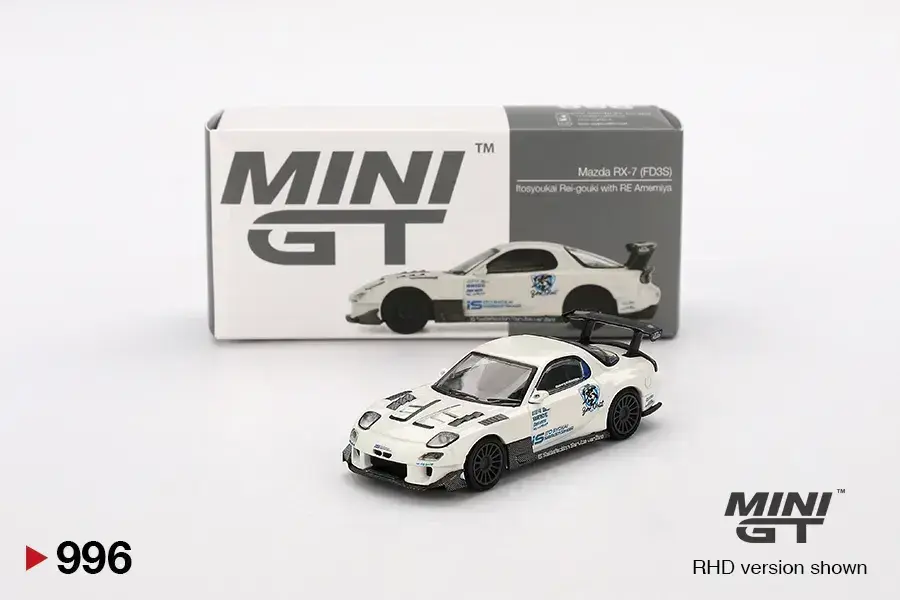
Mazda
Mazda RX-7
Between 1978 and 2002, the RX-7 proved over three generations that the rotary engine could power a real sports car, and it became one of Japanese tuners' favorite cars.
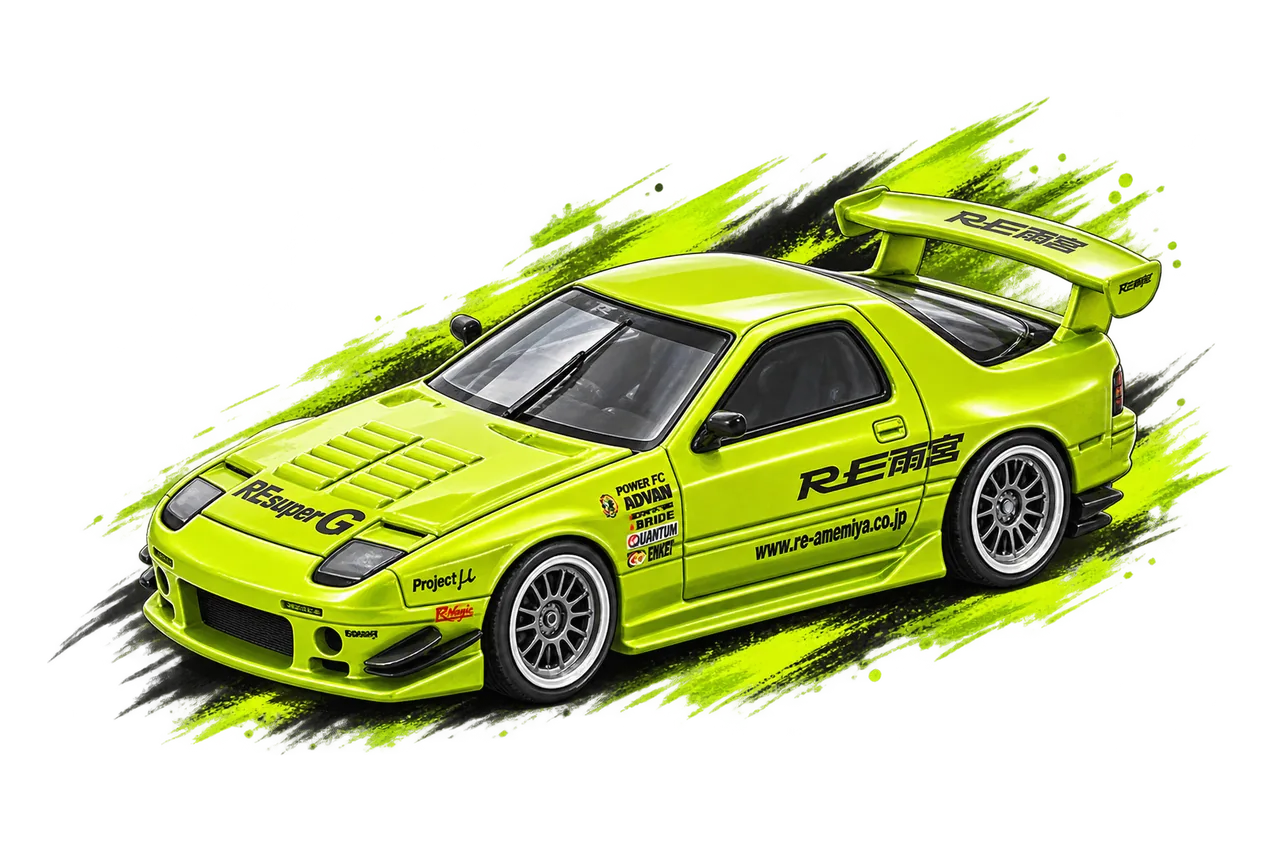
The first generation (SA22C, later FB) was built from 1978 to 1985 with the 12A rotary, and 471,018 were made. The second, the FC, arrived in 1985 with the 13B, including a turbo version. The third, the FD, ran from 1991 to 2002 with the sequential twin-turbo 13B-REW, the first system of its kind mass-produced and exported from Japan. In total, 811,634 RX-7s were built.
The light, high-revving rotary drew specialists. RE-Amemiya, founded in 1974 by Isami Amemiya in Chiba, carries the initials of “rotary engine” in its name and has focused on rotary Mazdas from the start. In 1995 the shop entered Japan's GT championship (today's Super GT) with a three-rotor 20B RX-7, and from 2004 it also competed in the D1 Grand Prix drifting series.
On screen, the most famous RX-7 is Han's in “The Fast and the Furious: Tokyo Drift” (2006), an FD with VeilSide's Fortune widebody kit, which replaces nearly every body panel except the roof and tailgate. One of the cars built for the film was sold by Bonhams at the 2025 Goodwood Festival of Speed for about 1.2 million dollars. Liberty Walk, with its LB-Super Silhouette, rounds out the list of tuners that show up in the miniatures.
- 68,589 FD-generation RX-7s were built, far fewer than the earlier generations.
- The “RE” in RE-Amemiya stands for rotary engine.
- Han's RX-7 was originally red and was repainted orange for filming.
- There is an RX-7 in the catalog wearing the livery of the Mazda 787B, the rotary that won Le Mans in 1991.
Mazda RX-7 in the catalog
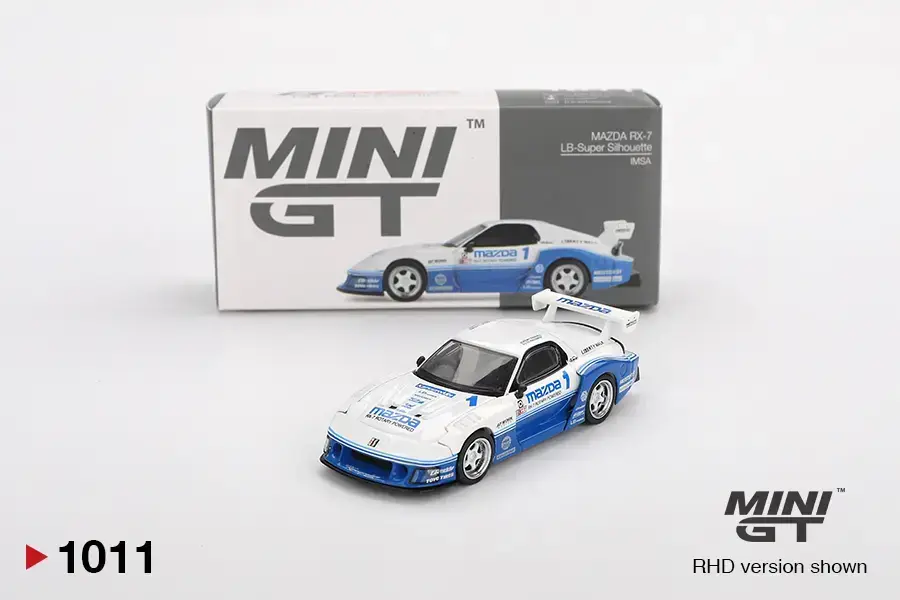
MAZDA RX-7 LB-Super Silhouette IMSA
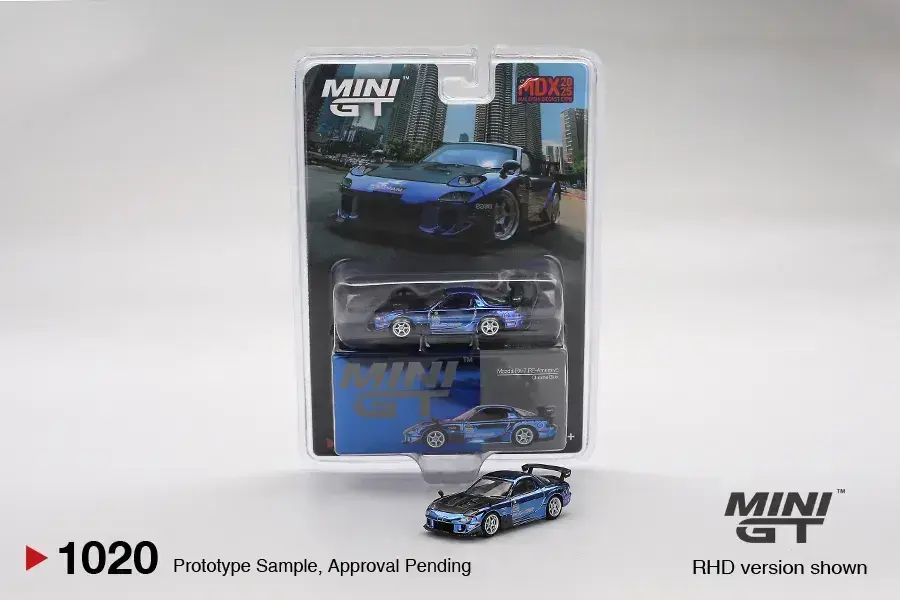
Mazda RX-7 RE-Amemiya Chrome Blue Malaysia Diecast Expo 2025
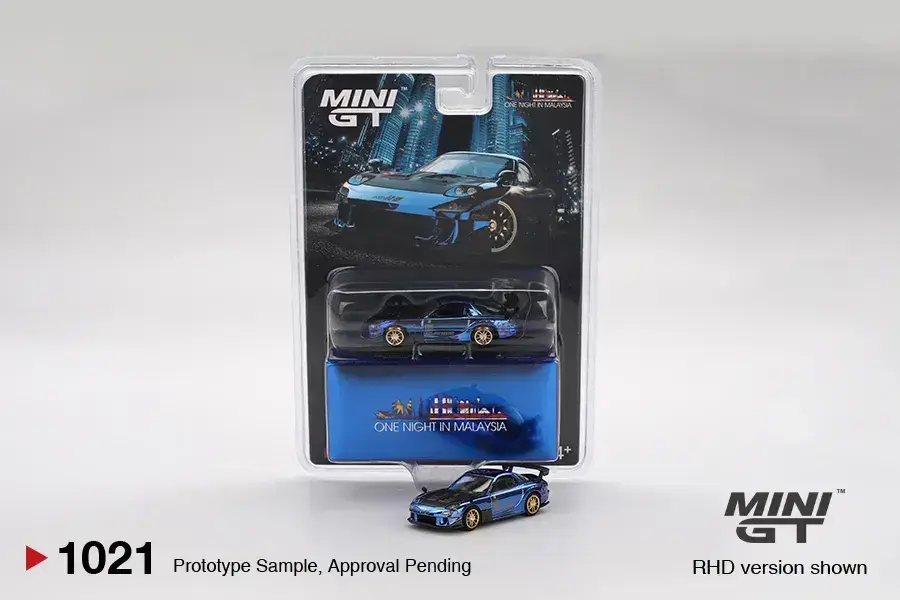
Mazda RX-7 RE-Amemiya Chrome Blue One Night in Malaysia 2025
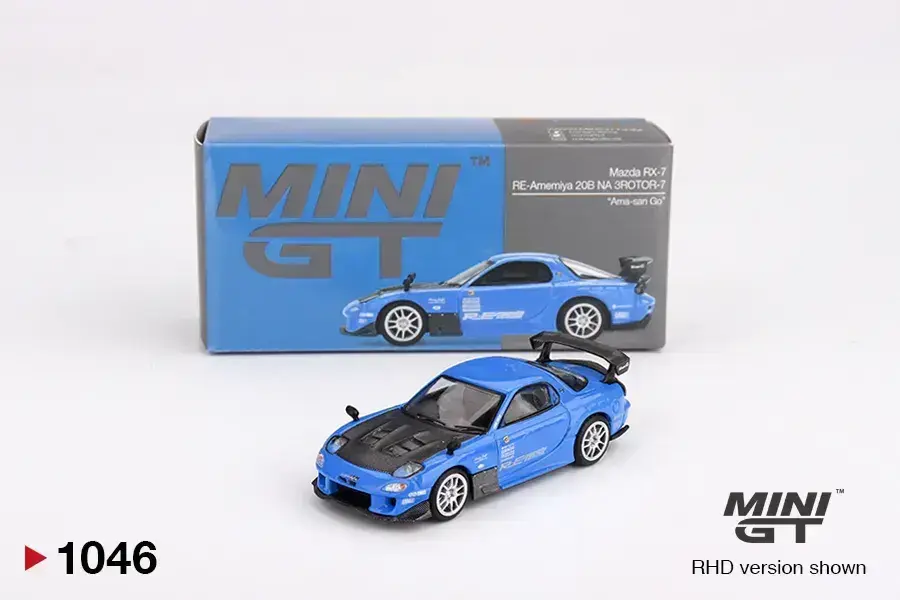
Mazda RX-7 RE-Amemiya 20B NA 3ROTOR-7 “Ama-san Go”
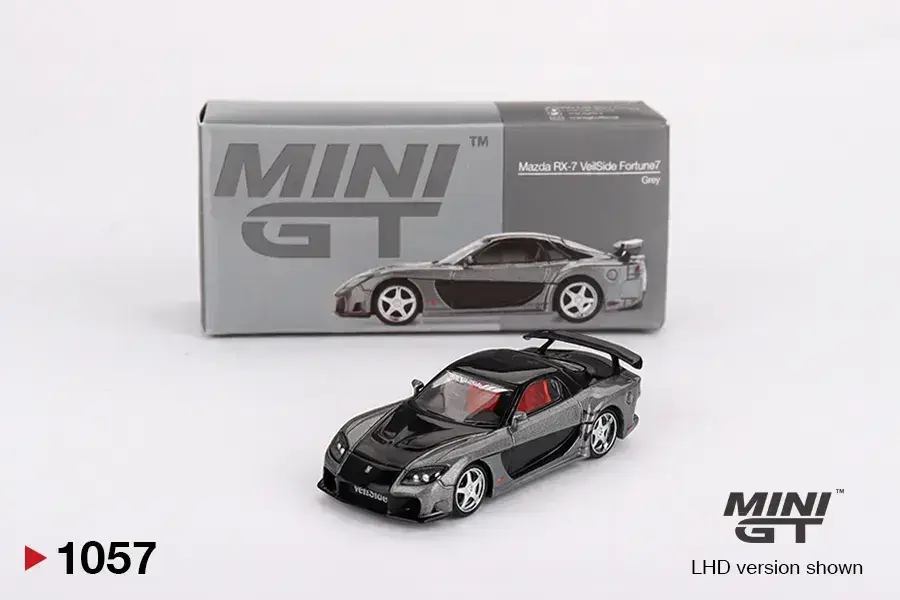
Mazda RX-7 VeilSide Fortune Grey
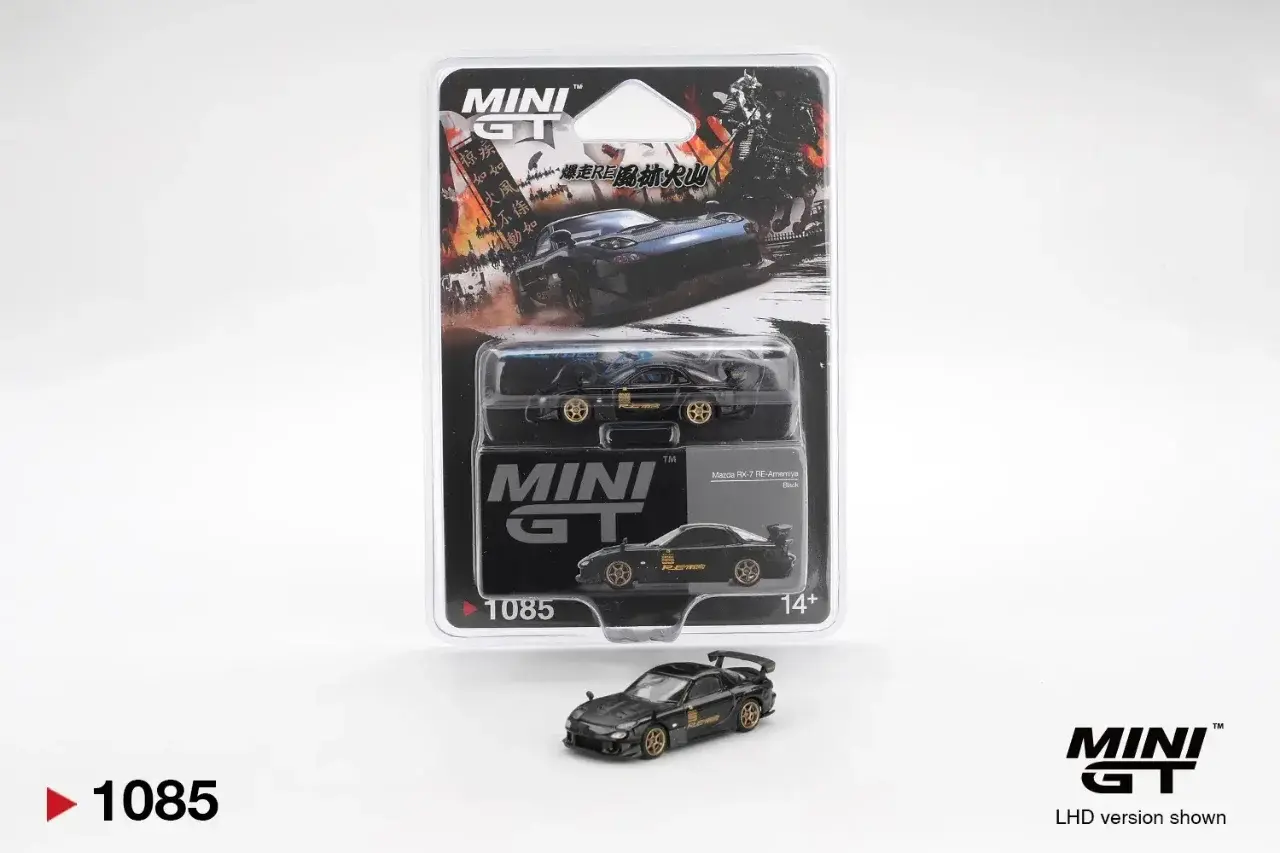
Mazda RX-7 RE-Amemiya Black
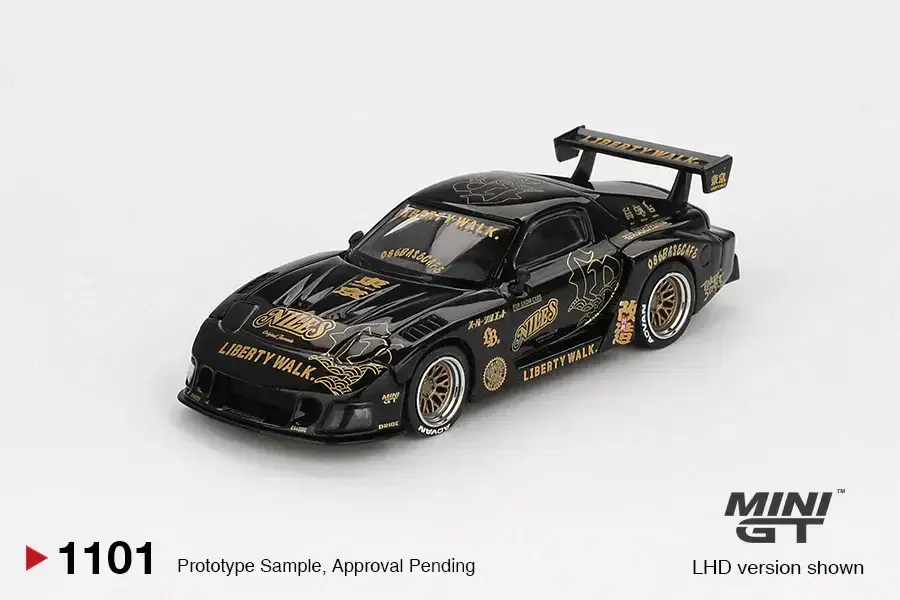
Mazda RX-7 LB-Super Silhouette FD-NILES
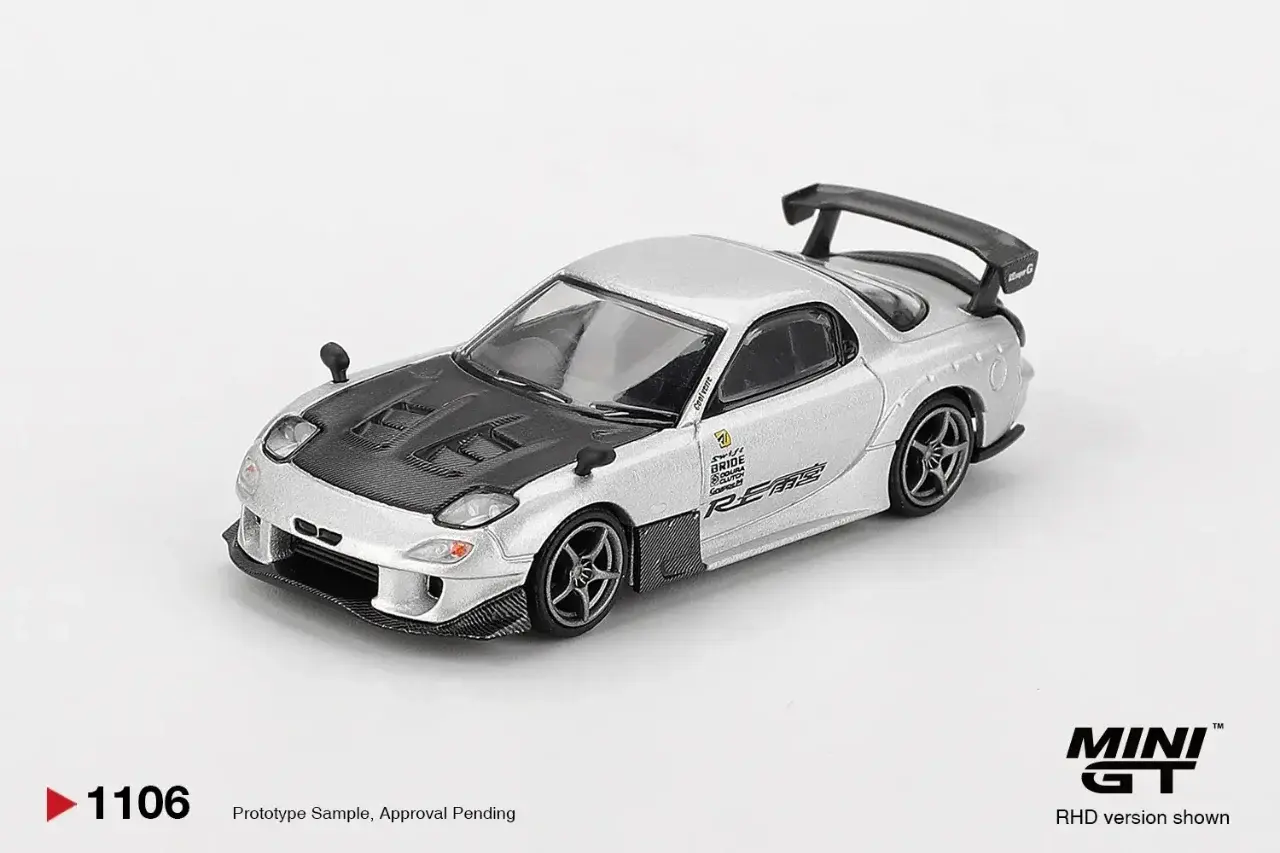
Mazda RX-7 RE-Amemiya Silver Metallic
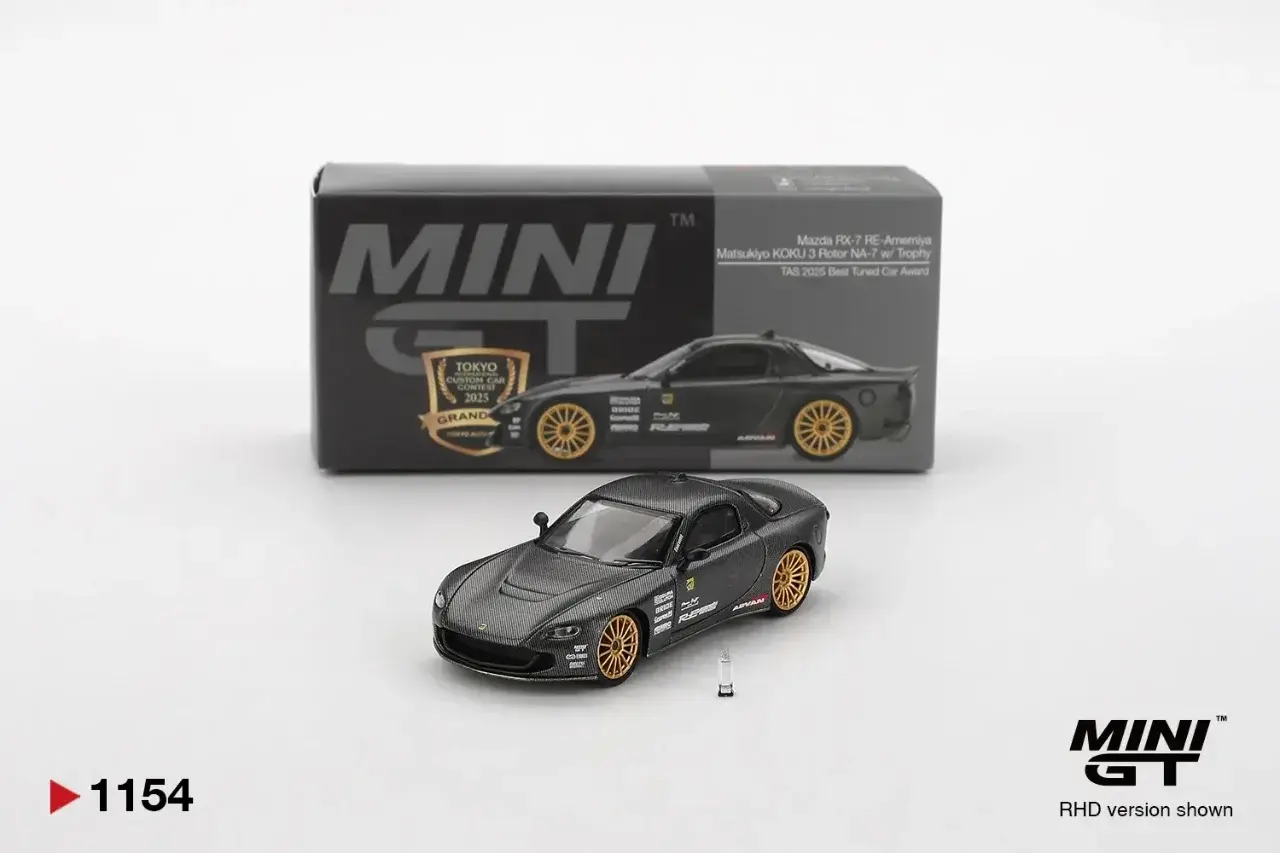
Mazda RX-7 RE-Amemiya Matsukiyo KOKU 3 Rotor NA-7 w/ Trophy TAS 2025 Best Tuned Car Award
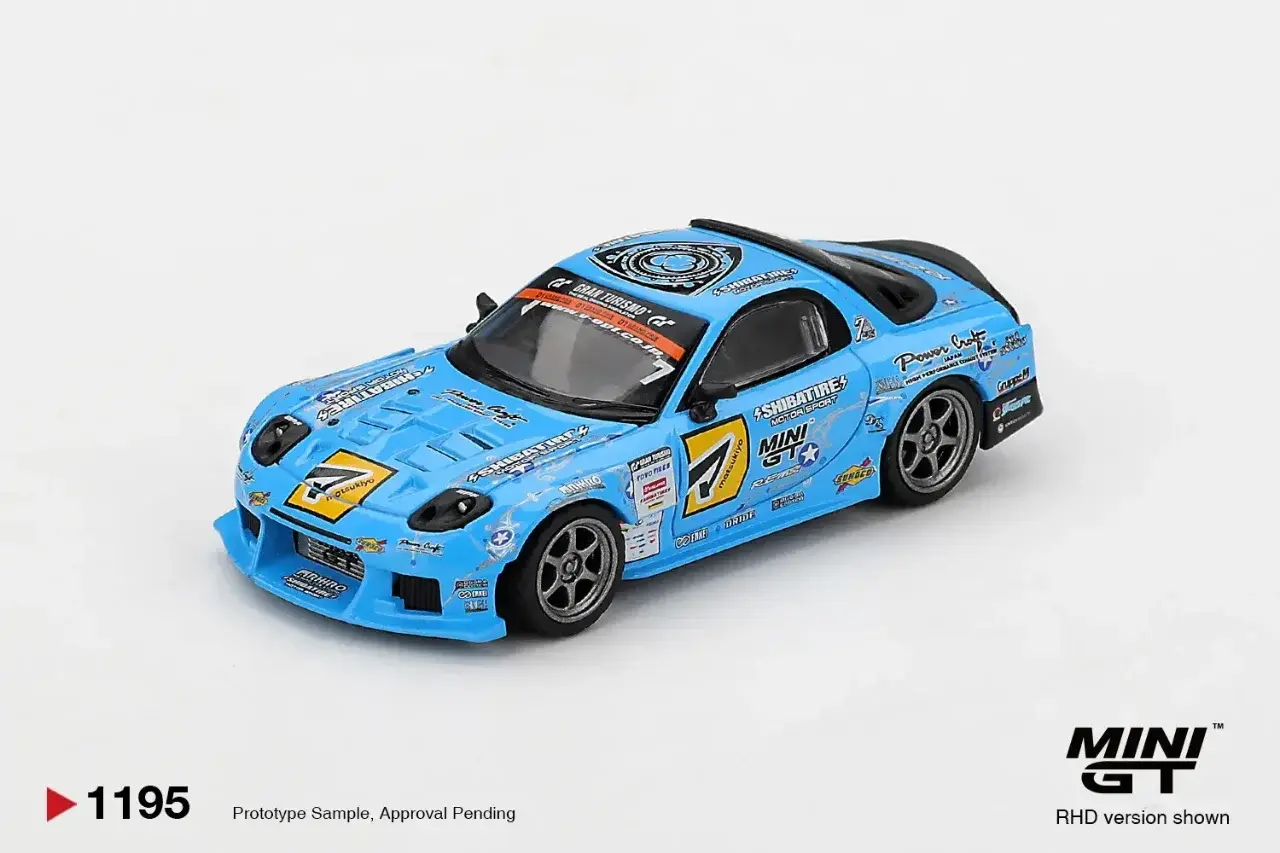
Mazda RX-7 RE-Amemiya 2025 D1GP
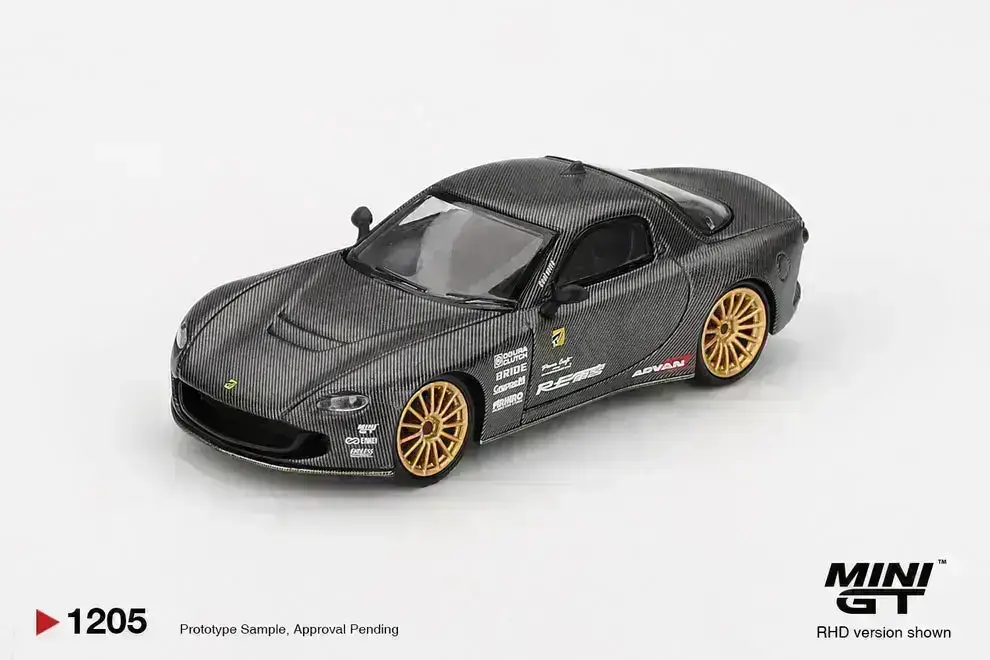
Mazda RX-7 RE-Amemiya Matsukiyo KOKU 3 Rotor NA-7 TAS 2025 Best Tuned Car Award
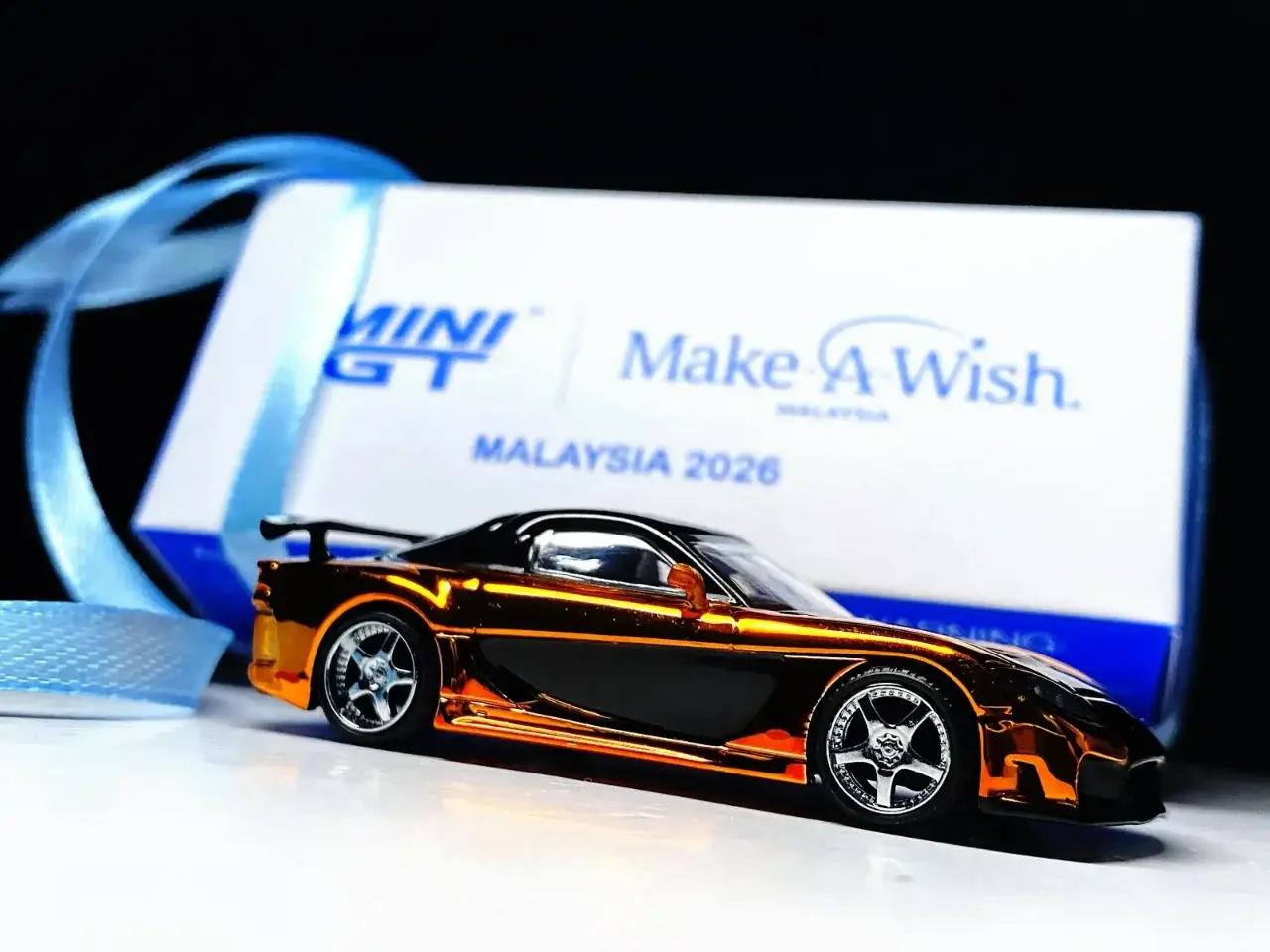
Mazda RX-7 Veilside Fortune Orange Chrome Mini GT Give 2026
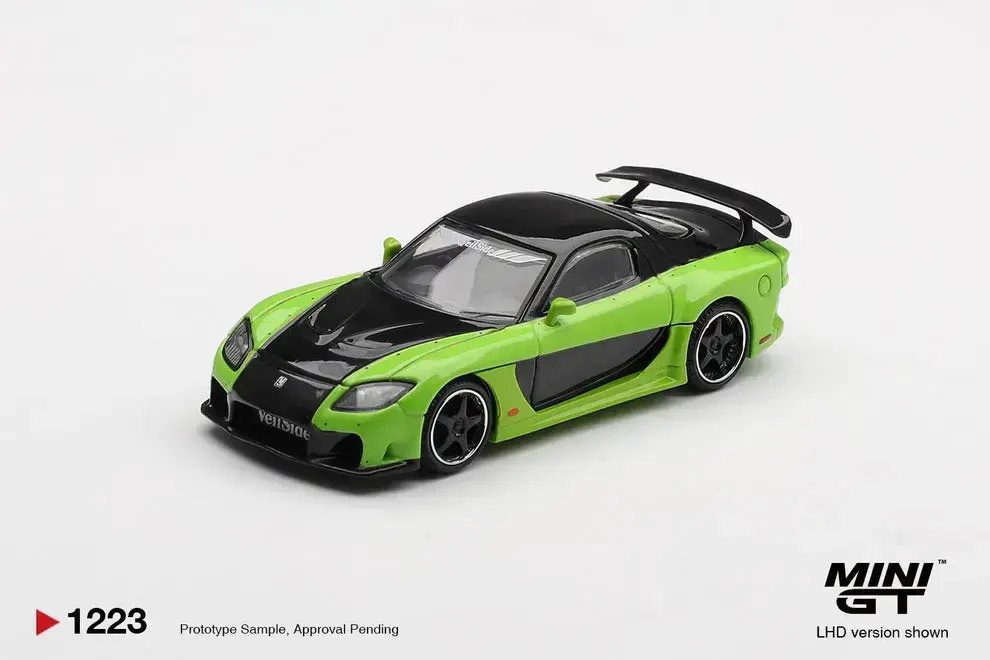
Mazda RX-7 VeilSide Fortune7 Green
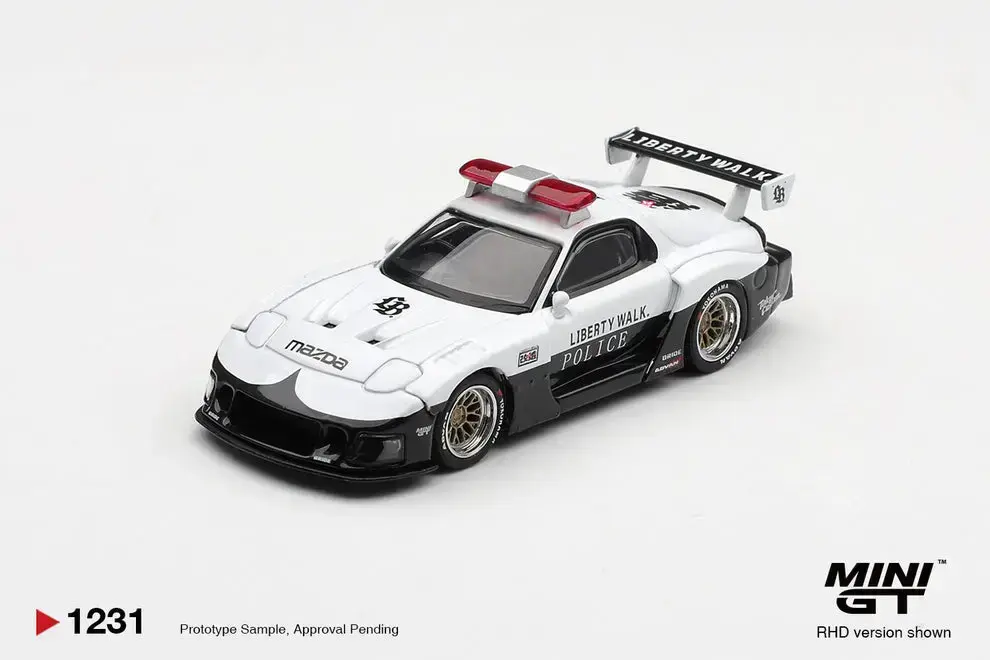
Mazda RX-7 LB-Super Silhouette Police
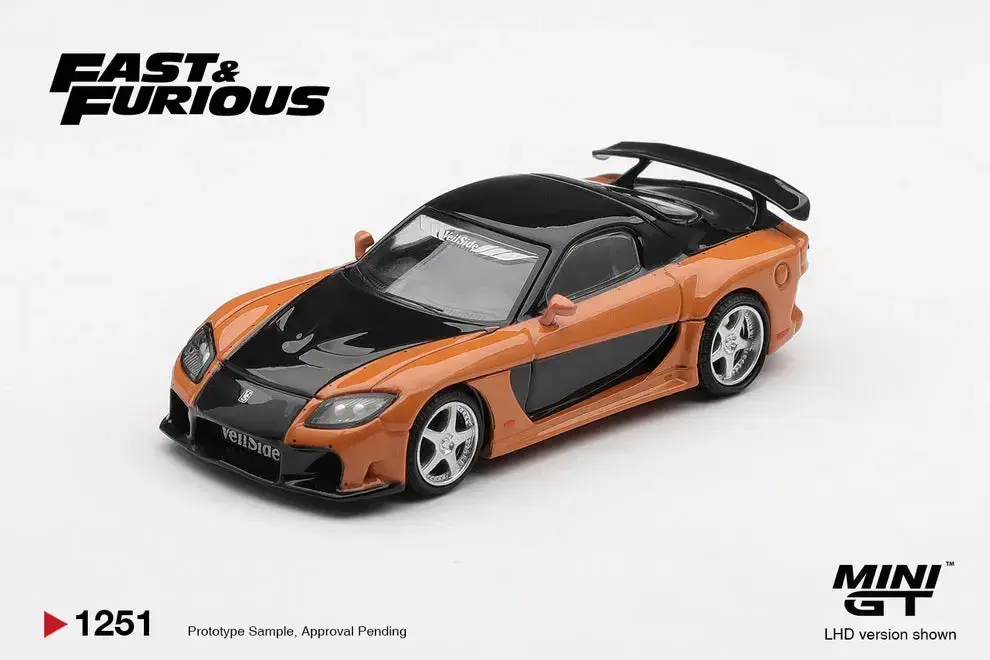
Mazda RX-7 VeilSide Fortune “The Fast and the Furious: Tokyo Drift” Han Seoul-Oh
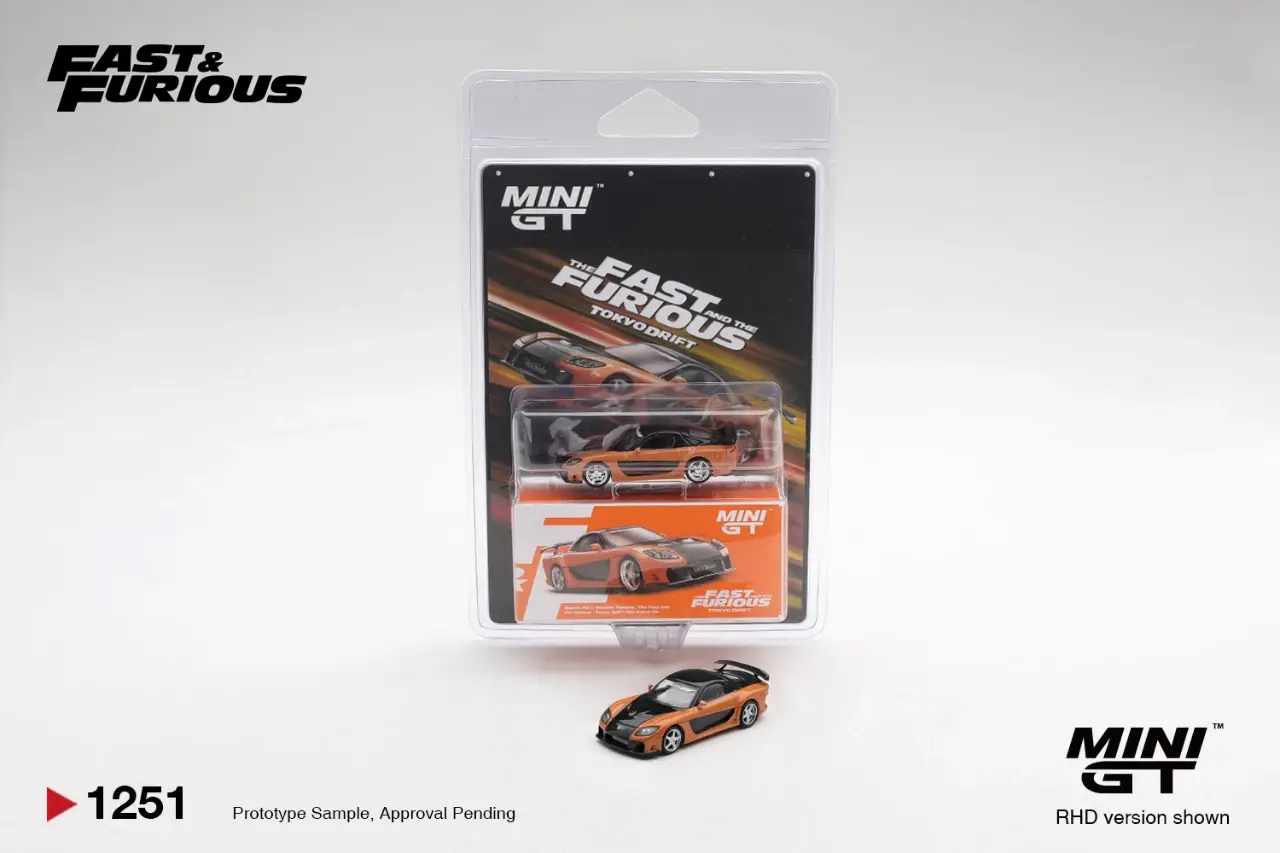
Mazda RX-7 VeilSide Fortune "The Fast and the Furious: Tokyo Drift" Han Seoul-Oh - MDX 2026
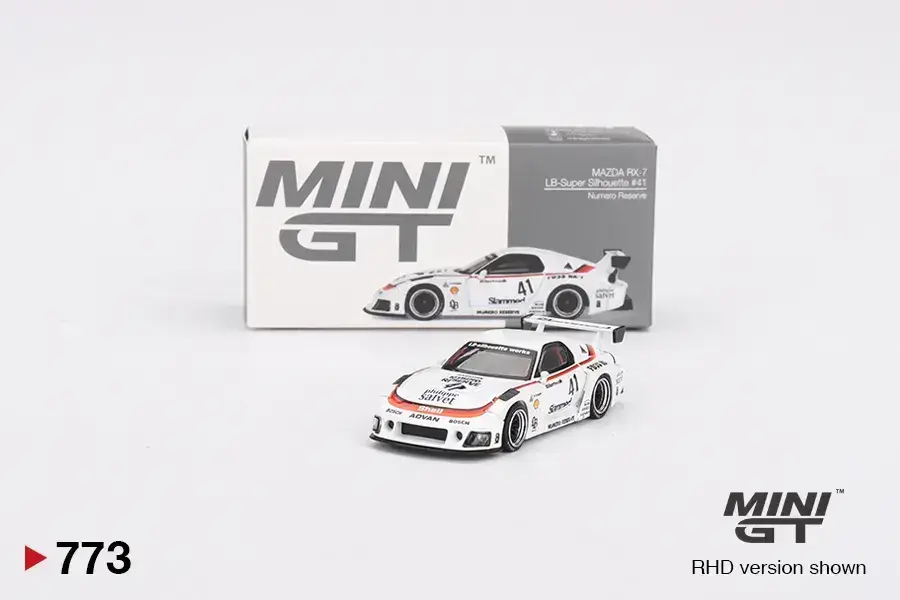
MAZDA RX-7 LB-Super Silhouette #41 Numero Reserve
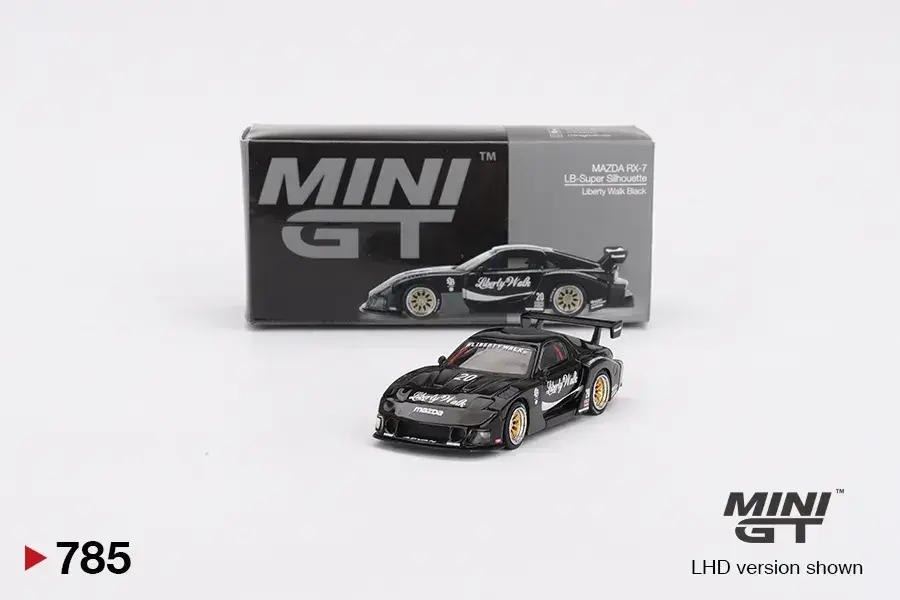
MAZDA RX-7 LB-Super Silhouette Liberty Walk Black
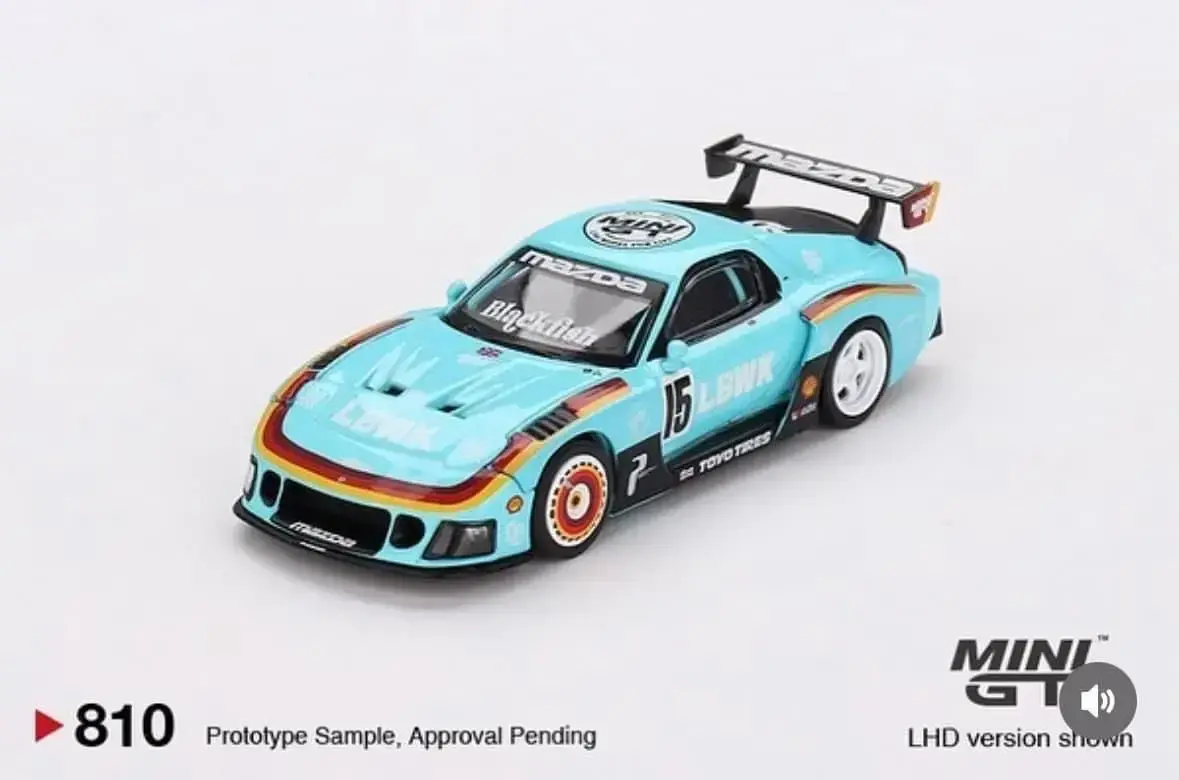
Mazda RX-7 LB-Super Silhouette Liberty Walk Europe 2024 Essen Motorshow
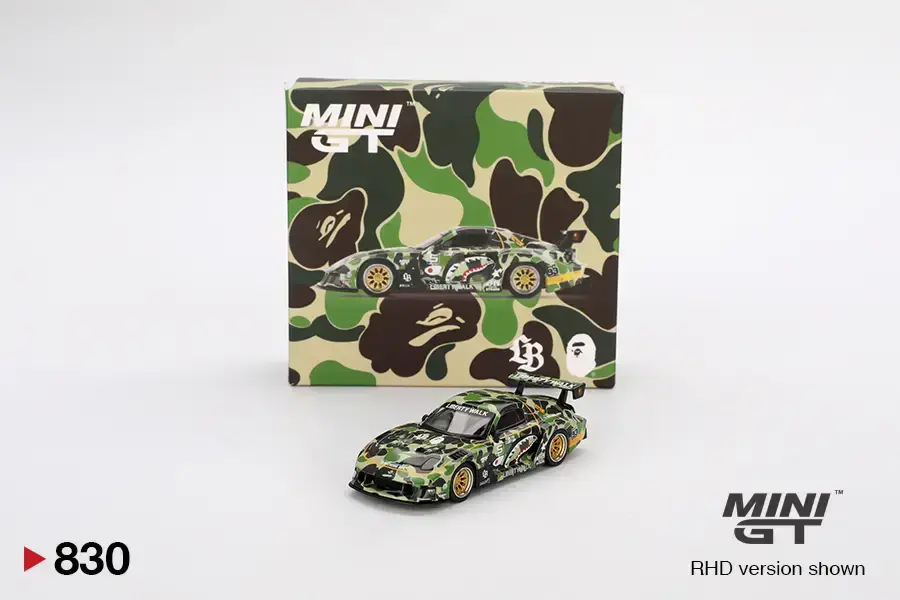
MAZDA RX-7 LB-Super Silhouette LBWK*A BATHING APE CROSSOVER
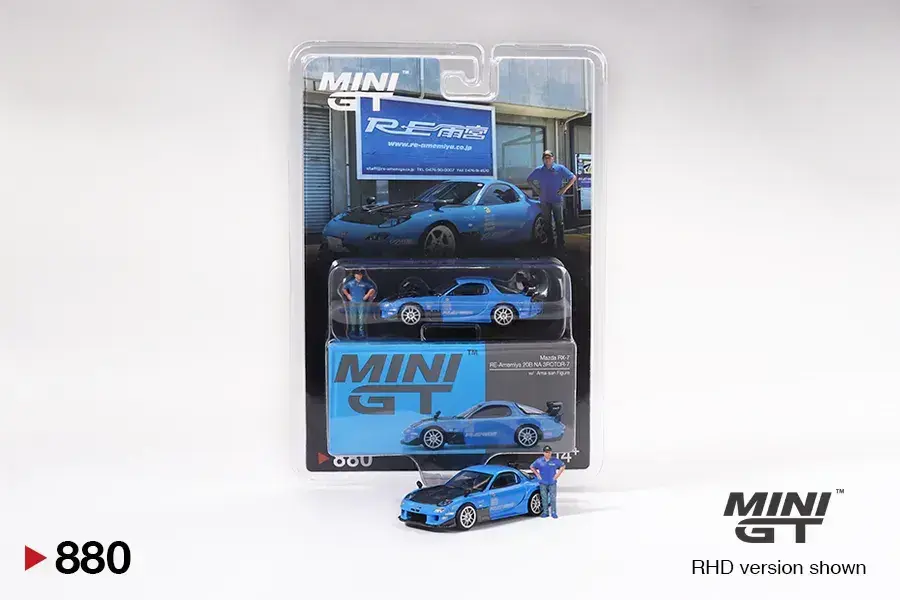
Mazda RX-7 RE-Amemiya 20B NA 3ROTOR-7 w/ Ama-san Figure TAS 2025 Limited Edition RE-Amemiya Exclusive
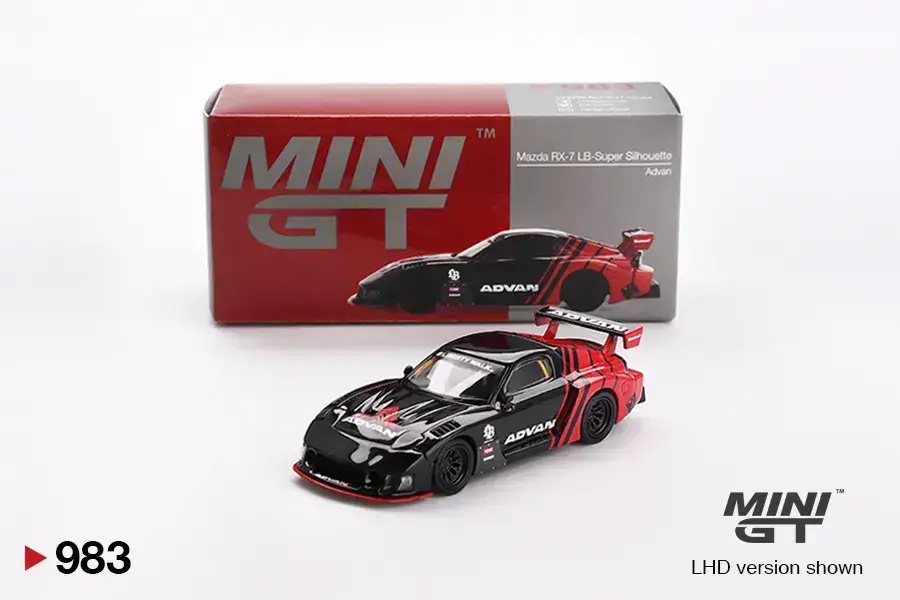
Mazda RX-7 LB-Super Silhouette Advan
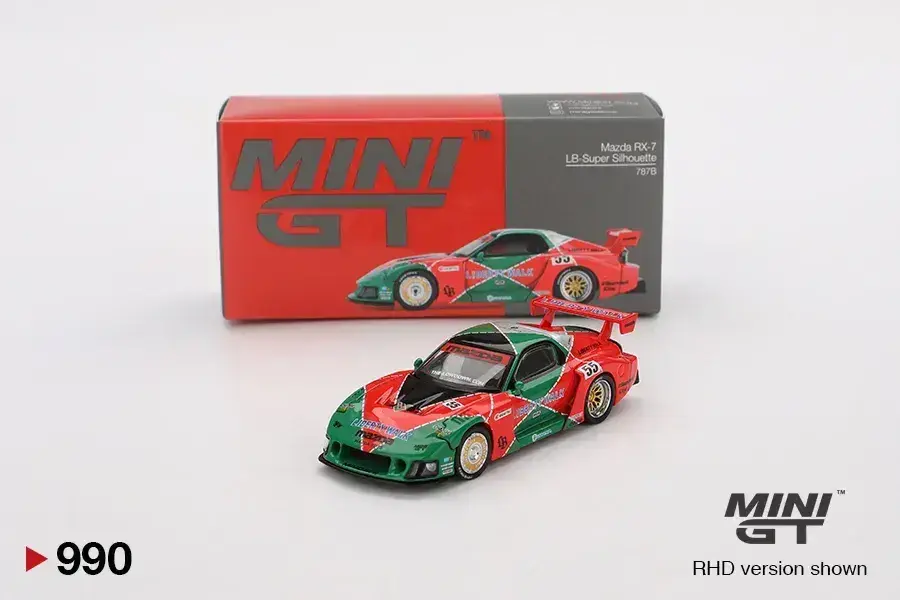
Mazda RX-7 LB-Super Silhouette 787B