How a designer who spent 14 years shaping JDM icons at Hot Wheels decided to open his own garage, and turned 1970s Japanese street culture into one of the most sought-after lines in 1:64 diecast.
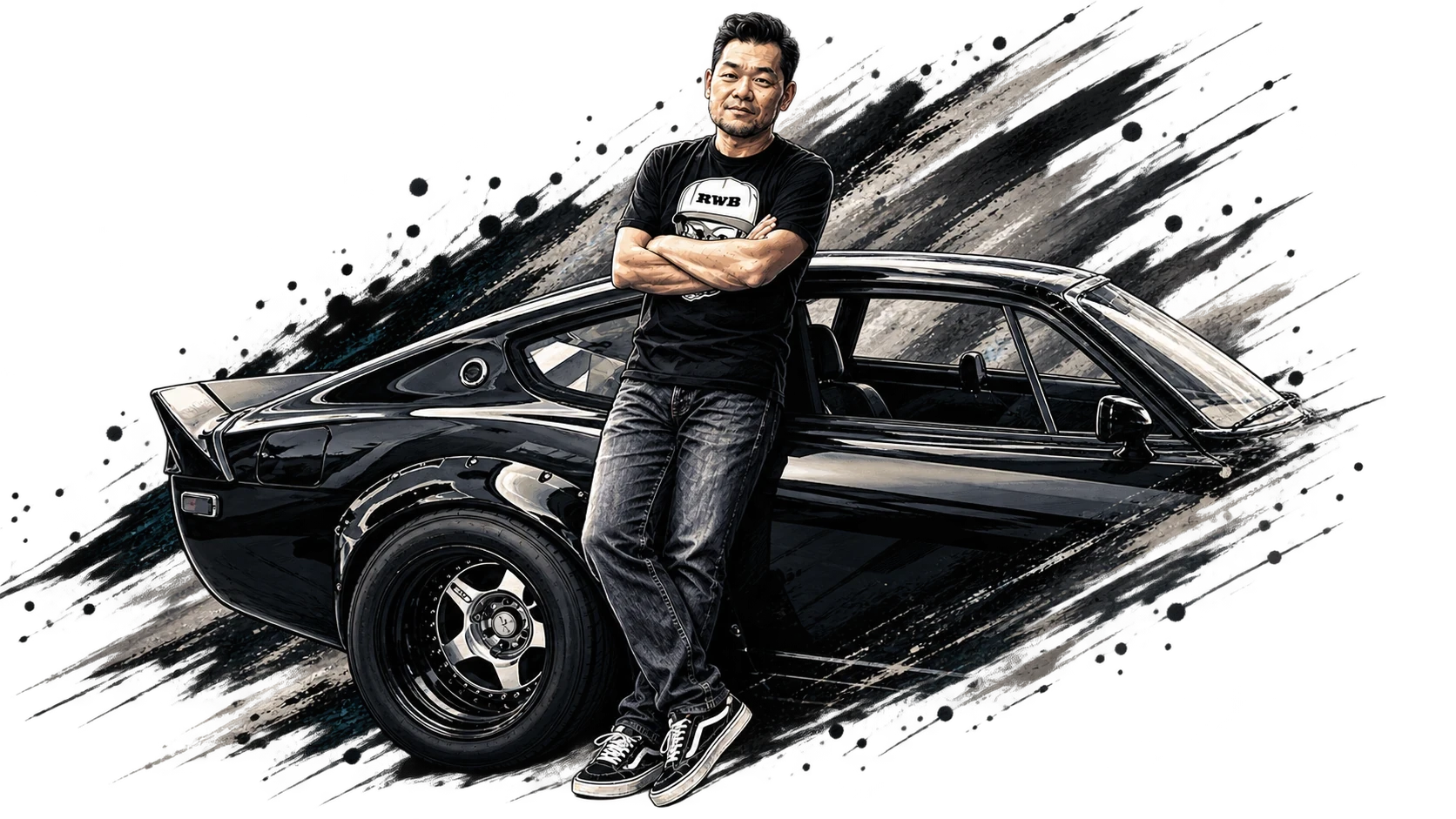
Few designers have shaped the diecast world as much as Jun Imai. Born and raised in Japan, he grew up immersed in an automotive scene obsessed with JDM classics, drifting, and motorsport, the foundation for the career that followed.
At Hot Wheels, where he worked from 2004 to 2018, he became the name behind the brand's mainline JDM presence, signing molds that became legendary among collectors, such as the Datsun Bluebird 510 Wagon and the '83 Chevy Silverado. Many of these projects were born from his own personal passion: replicas of the cars he actually owned, like the Datsun 510 Wagon and the Nissan Fairlady Z.

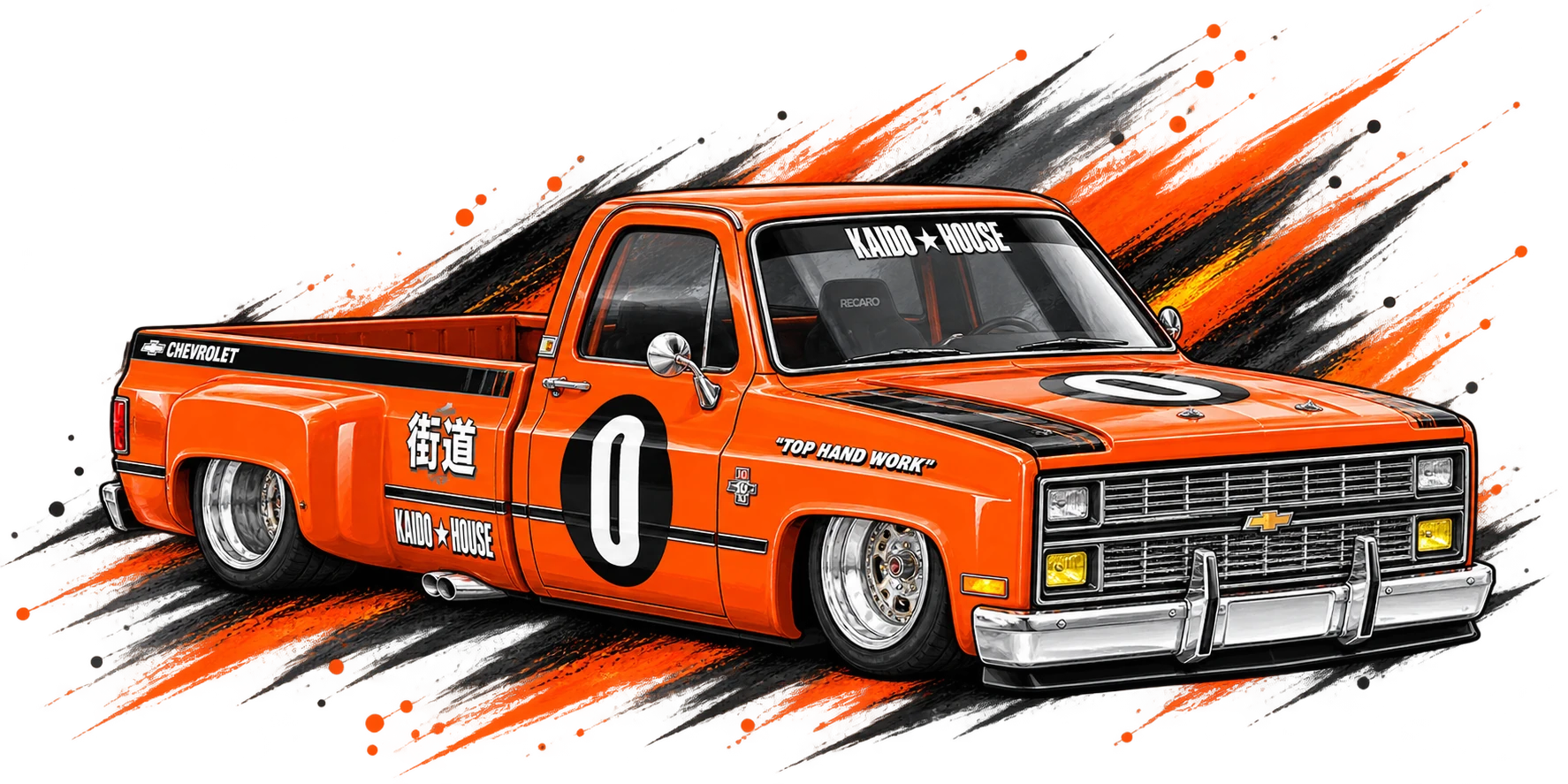
A pickup truck that carries the brand's own name on the fender: 街道 (kaidō), "road" — the same word that names the studio.
After more than a decade shaping the JDM imagination inside Mattel, Imai decided to go his own way. In 2018 he left Hot Wheels, and the market waited to see what would come next.
The answer came in the form of Kaido House: a creative studio and lifestyle brand blending automotive design, art, and diecast collectibles. The name is no accident: "kaido" is an older Japanese word for "road," a direct nod to the street and tuning culture that inspires every release. The line has been produced in partnership with Mini GT, the 1:64 division of TSM (True Scale Miniatures), which made it possible to turn Imai's boldest visions into pieces with an extremely high level of finish.

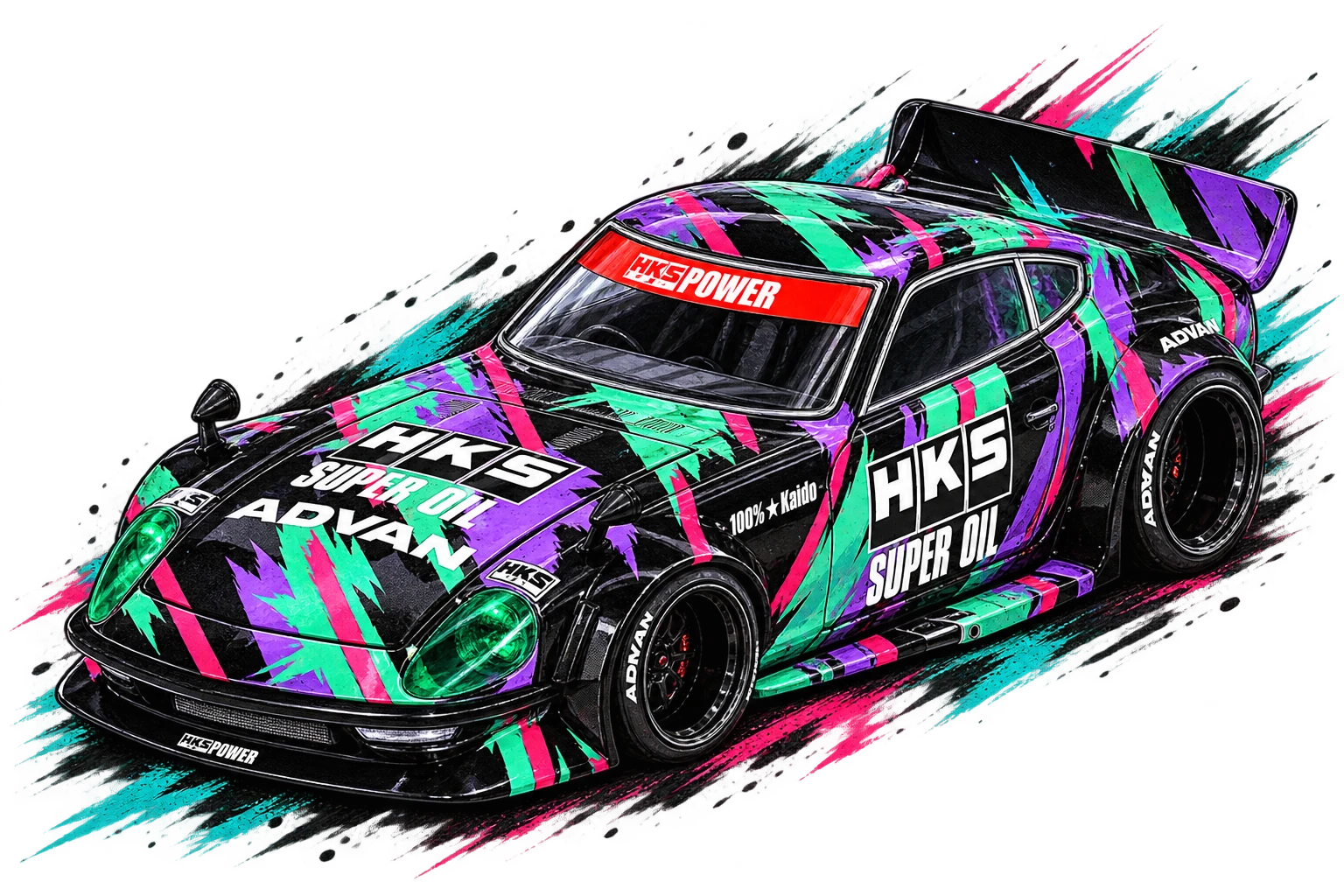
A partnership with HKS, one of the most respected names in Japanese tuning — Kaido House steps outside its signature black/red when a release calls for it.
To understand why the Kaido House aesthetic is so intense, you have to go back to mid-1970s Japan, when young enthusiasts started modifying their street cars to imitate the machines racing at Fuji Speedway. The term "kaido racer" emerged around 1975, popularized by a reader-submitted photo section in Holiday Auto magazine. Unlike underground street racing, nearly every kaido racer modification exists to be seen and heard, not to win a race.
This world runs close to, but shouldn't be confused with, bōsōzoku: a Japanese youth subculture tied to extremely customized motorcycles and cars, which peaked in 1982 with more than 42,000 registered members. It's from that aesthetic of widened fenders, exaggerated wings, and loud exhausts that Kaido House pulls much of its own visual DNA.
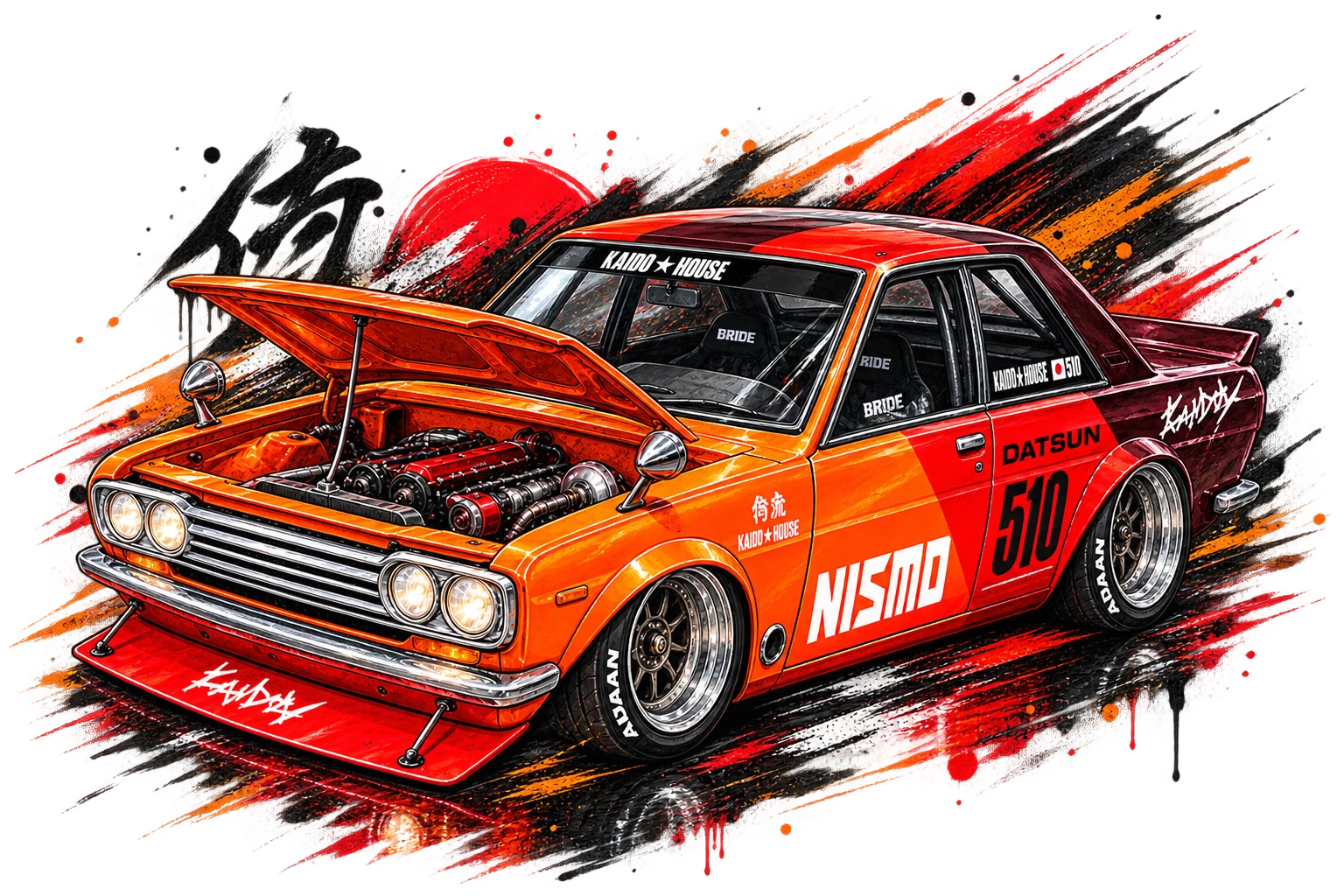
Hood open, engine on display: the level of detail that backs up the storytelling behind every release.
Every release carries the personal signature of a designer who already proved his talent shaping some of Hot Wheels' most beloved JDM icons, and that, combined with numbered, dated production runs, heats up the collector market almost instantly with every new drop.
The partnership with Mini GT/TSM guarantees a level of detail rarely seen at 1:64 scale, but what really sustains the phenomenon is the storytelling: buying a Kaido House means buying a piece of 1970s-80s Japanese street history, not just another miniature car.
Follow straight from the source
Sources consulted (facts, not text): Japanese Nostalgic Car, Lamley Group, Motor1, Wikipedia (Bōsōzoku), Kaido House (official site), Mini GT/TSM-Models (official site).