Porsche
Porsche 911
Launched in 1963 as the successor to the 356, the 911 is the rare case of a design that has crossed six decades while keeping the same core idea: a flat-six engine mounted in the rear.
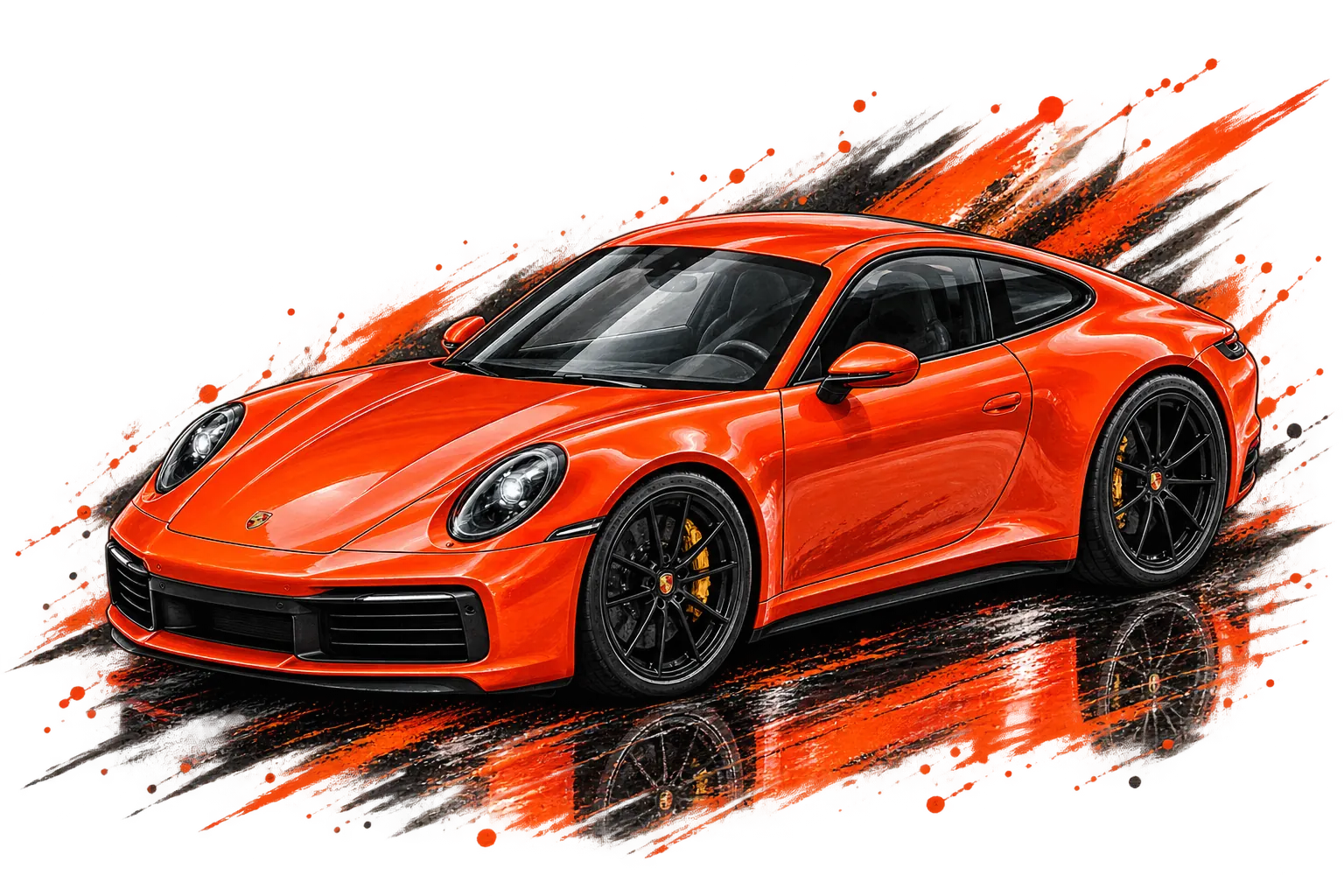
The 911 was originally named 901, it changed after a dispute with Peugeot, which had already trademarked three-digit names with a zero in the middle for its cars in France. The unusual, technically risky rear-engine layout became the model's signature instead of a flaw to fix: generations of Porsche engineers spent decades refining the cornering behavior of a car that, on paper, should be unstable.
The lineage is split into code-named generations: 901/930 (the original air-cooled era, up to 1989), 964, the 993 (the last air-cooled 911, 1993-1998), the 996 (1997, the first water-cooled model, controversial for headlights shared with the Boxster), and the modern 997, 991, and 992 generations. The Targa, with its distinctive roll bar, is named after the Sicilian Targa Florio race, where Porsche built much of its early racing legend.
Few production cars have kept such a recognizable silhouette for so long, Porsche's stated philosophy for the 911 has always been evolution, not revolution, and it's rare to find another example of that idea working so well in the industry.
- The name "911" only exists because Peugeot had already trademarked three-digit names with a zero in the middle in France.
- The original 911 made just 130 hp, today, a Turbo variant tops 600 hp with the same basic rear-engine layout.
- The Targa name comes from the Italian Targa Florio race, held on public roads in Sicily.
- The 996 (1997) was the first water-cooled 911 after 34 years of air-cooled engines, a decision that still divides purists today.
Porsche 911 in the catalog
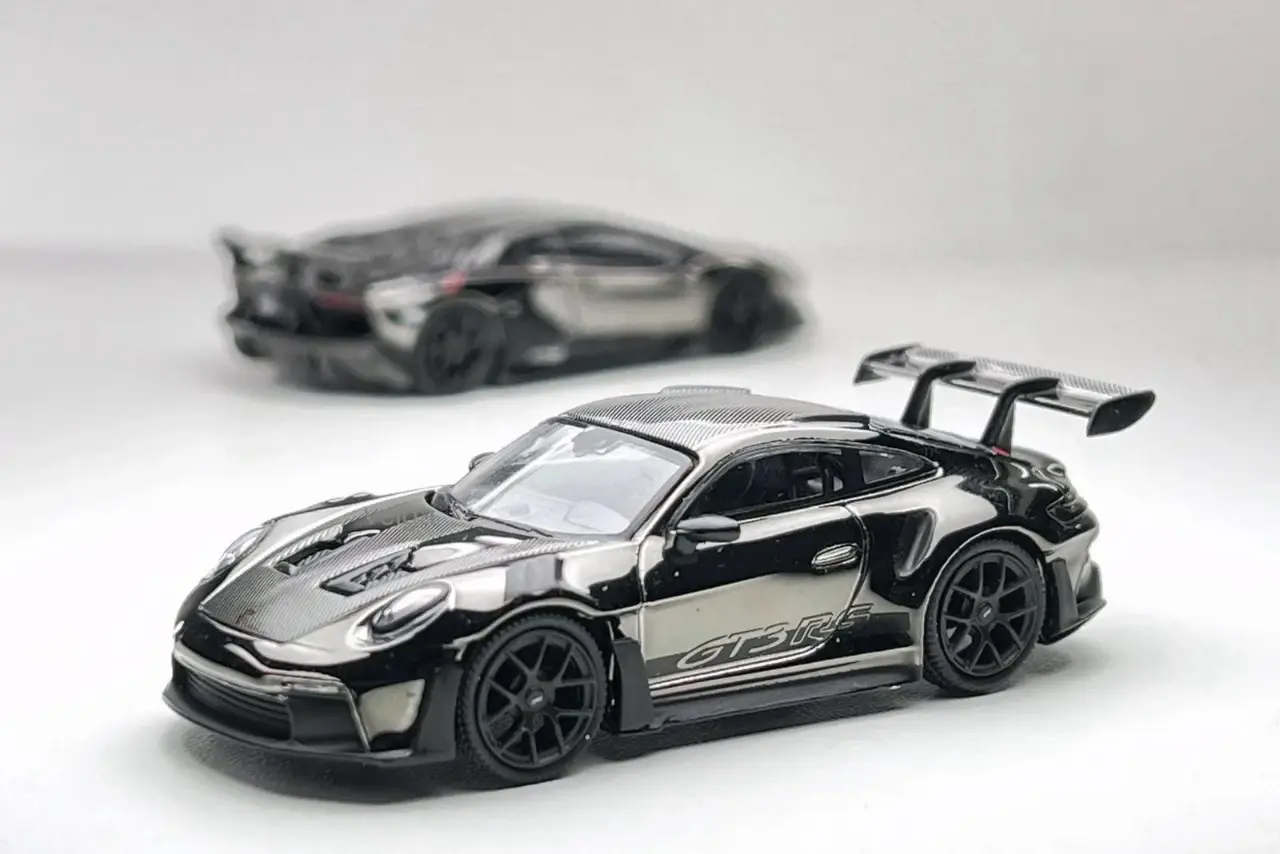
Porsche 911 (992) GT3 RS Weissach Package Black Chrome
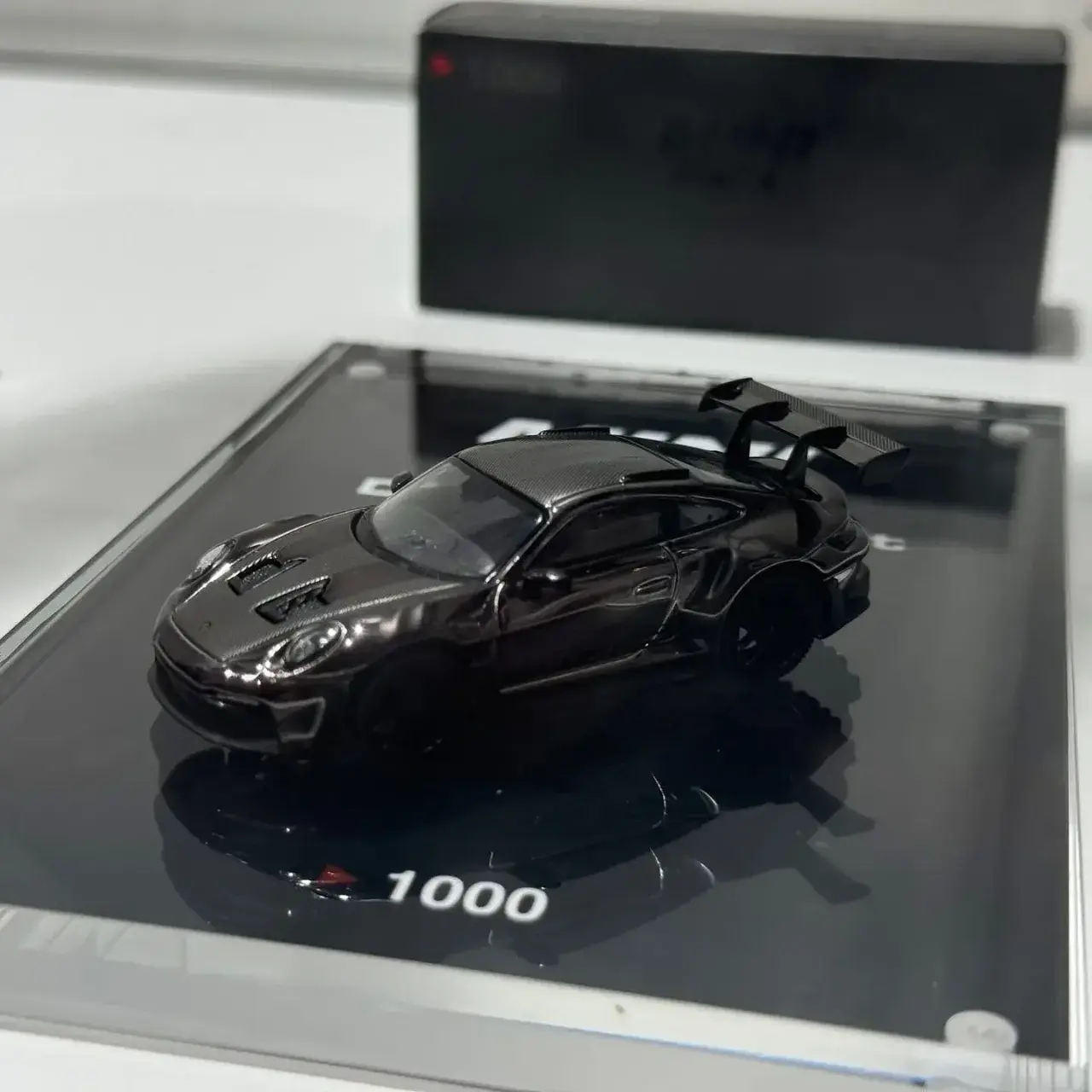
Porsche 911 (992) GT3 RS Weissach Package Black Chrome
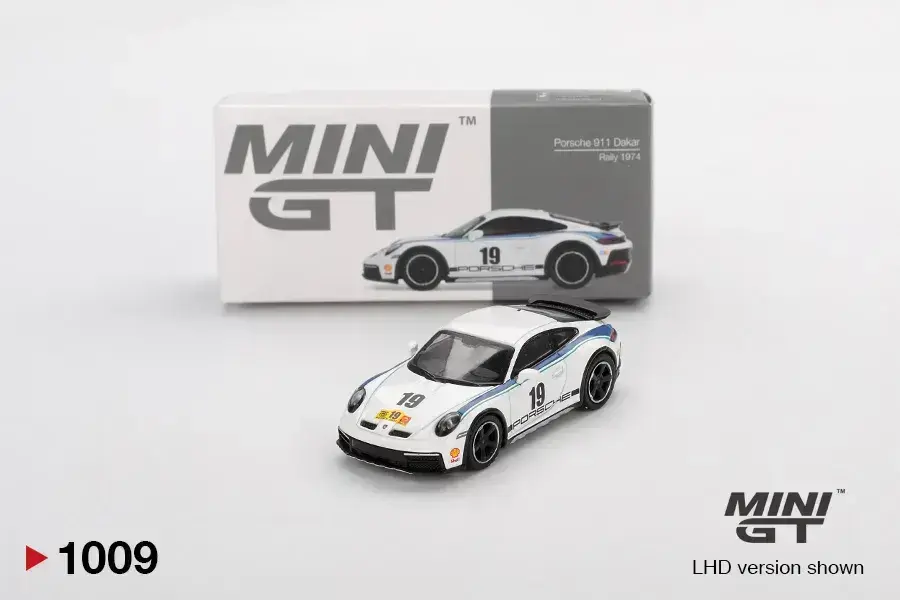
Porsche 911 Dakar Rally 1974
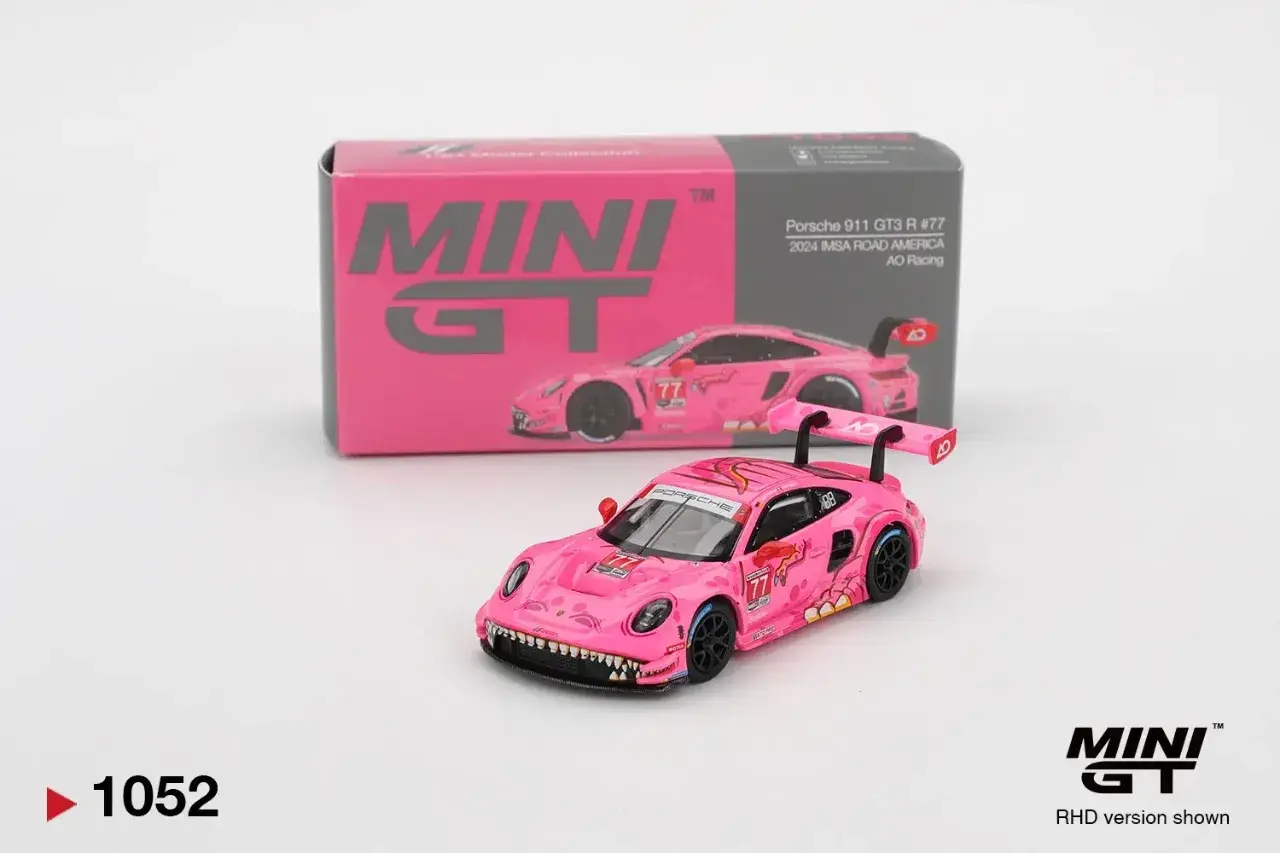
Porsche 911 GT3 R #77 AO Racing 2024 IMSA Road America
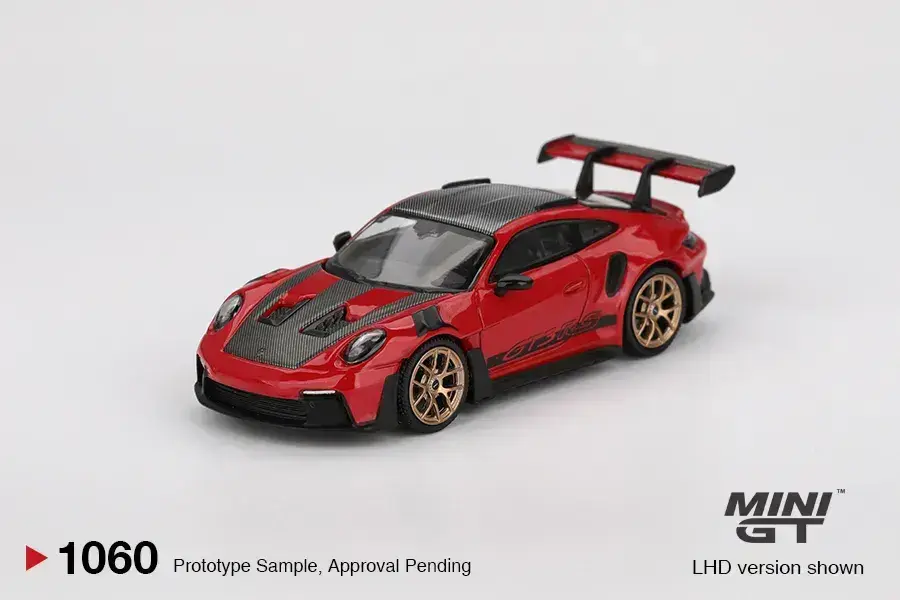
Porsche 911 (992) GT3 RS Weissach Package Guards Red
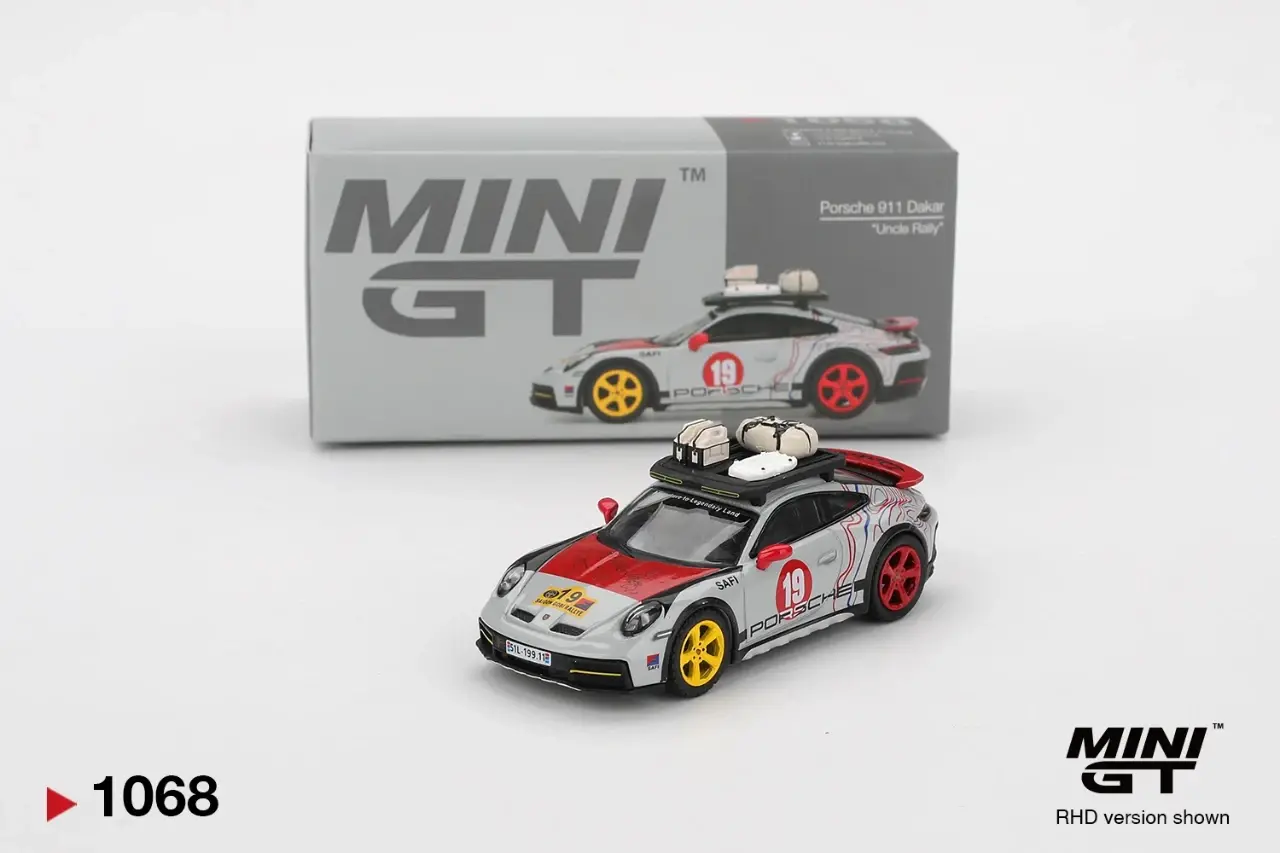
Porsche 911 Dakar "Uncle Rally"
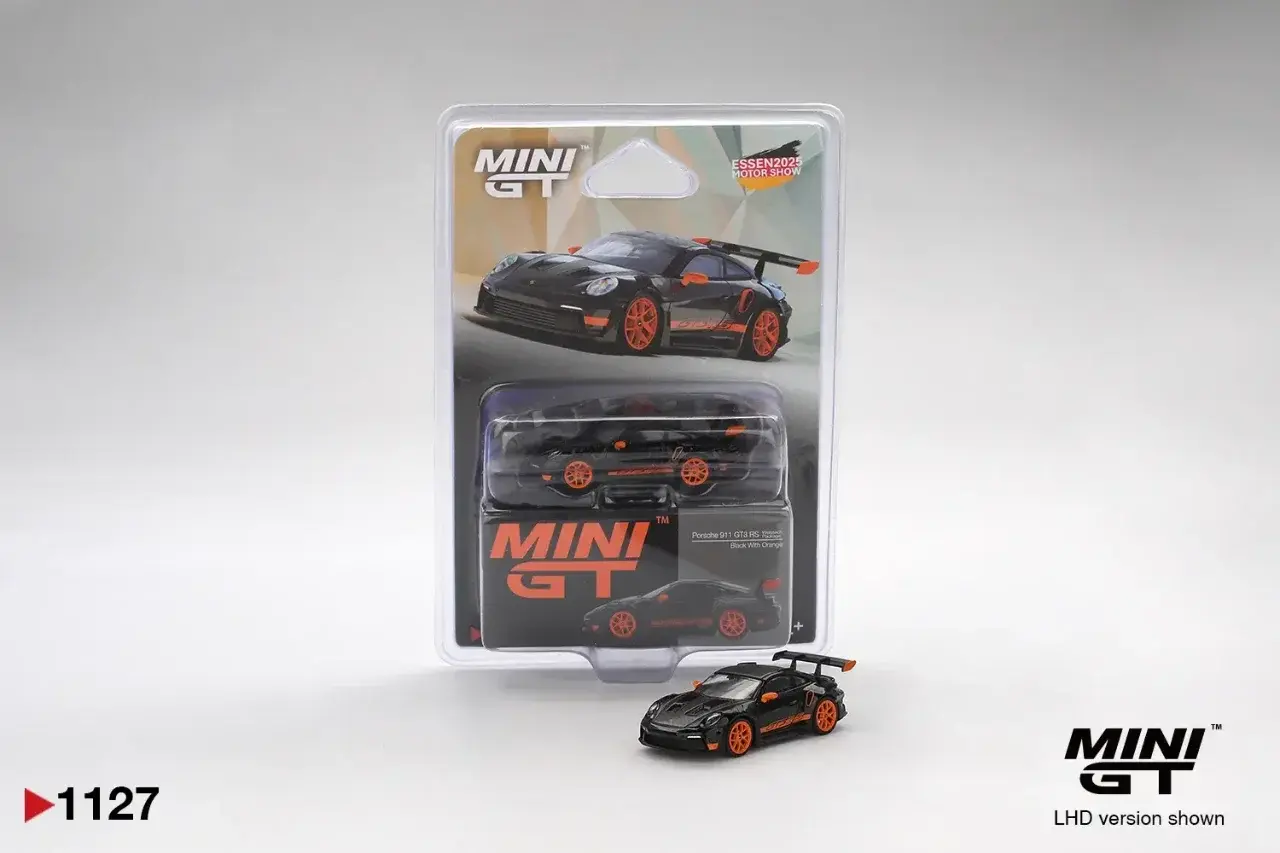
Porsche 911 (992) GT3 RS Weissach Package Black With Orange 2025 Essen Motor Show Exclusive
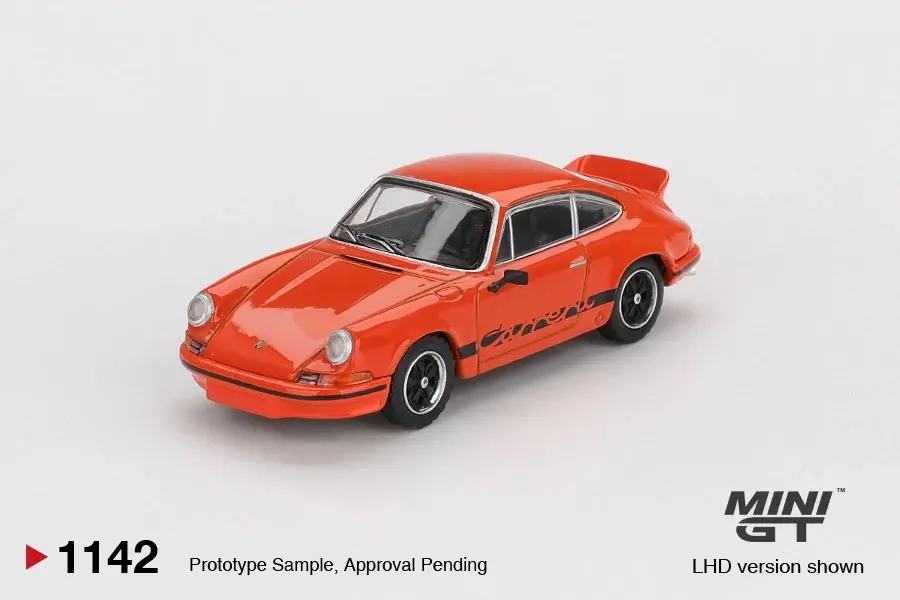
Porsche 911 Carrera RS 2.7 Tangerine with Black Livery
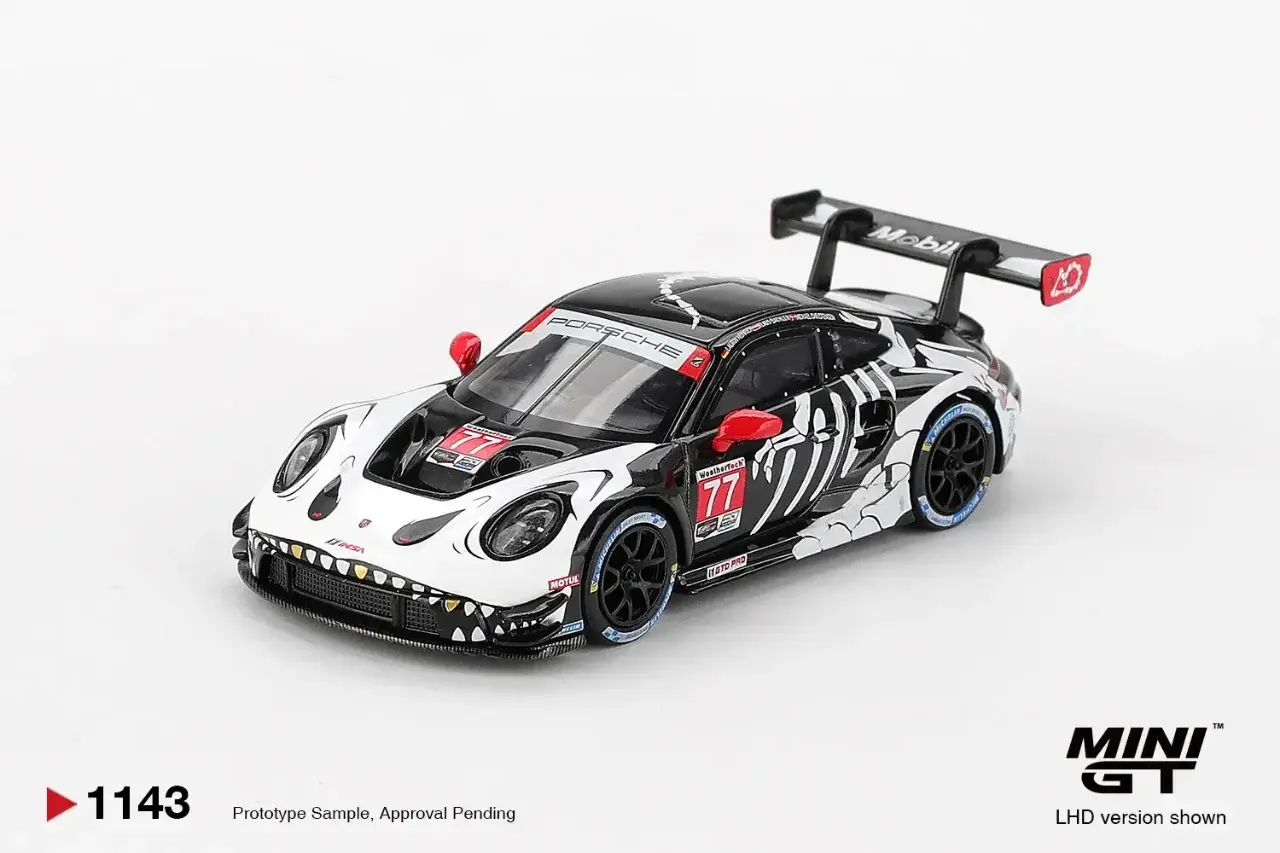
Porsche 911 GT3 R #77 AO Racing 2025 IMSA Petit Le Mans
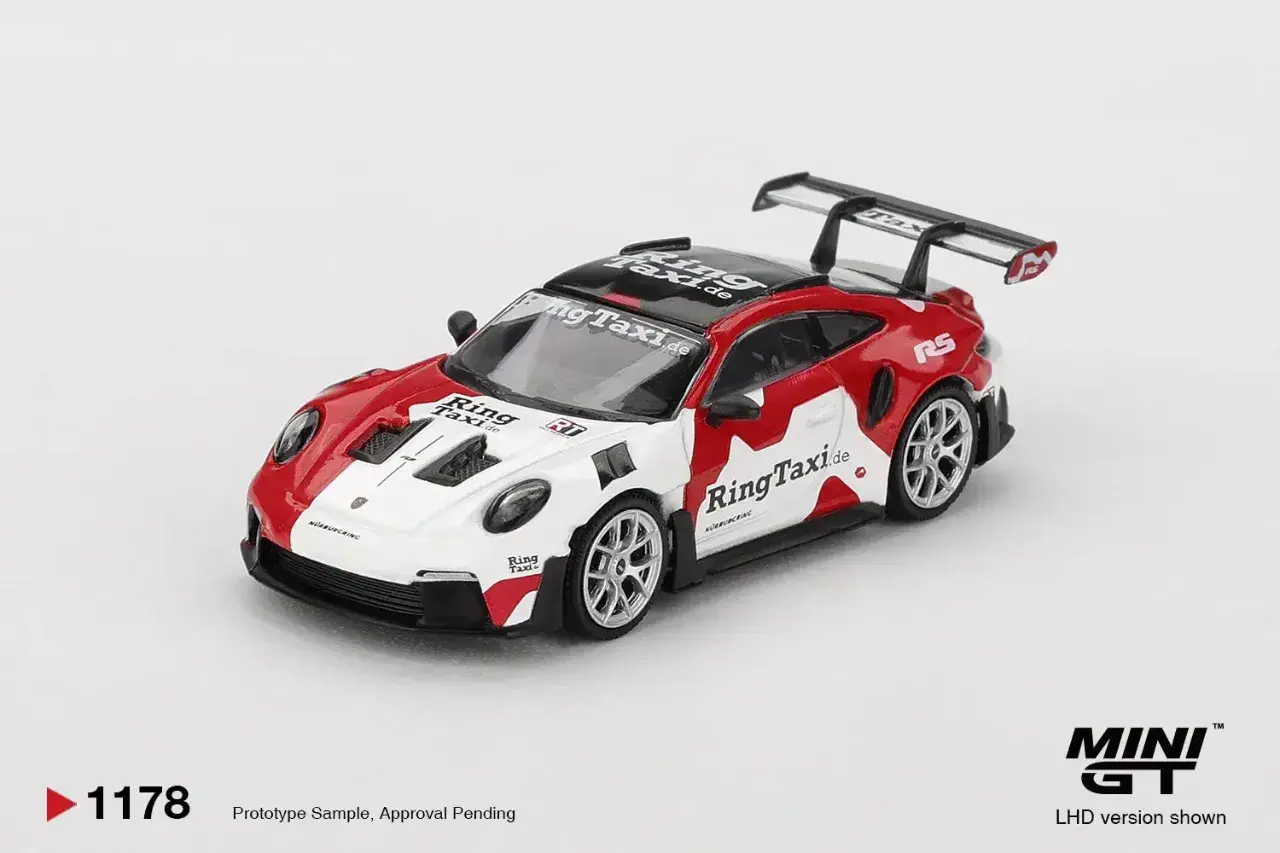
Porsche 911(992) GT3 RS Weissach RingTaxi.com
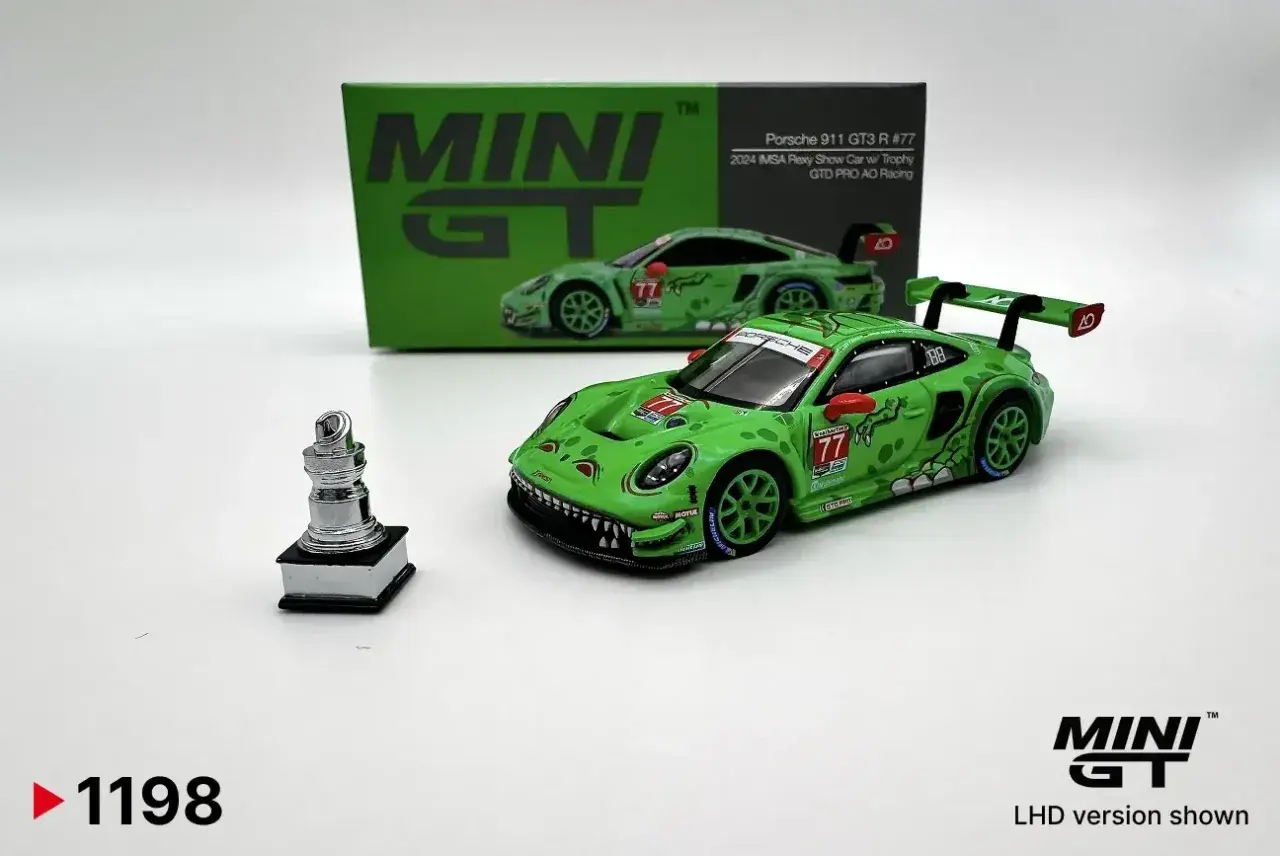
Porsche 911 GT3 R #77 GTD PRO AO Racing 2024 IMSA Rexy Show Car w/ Trophy
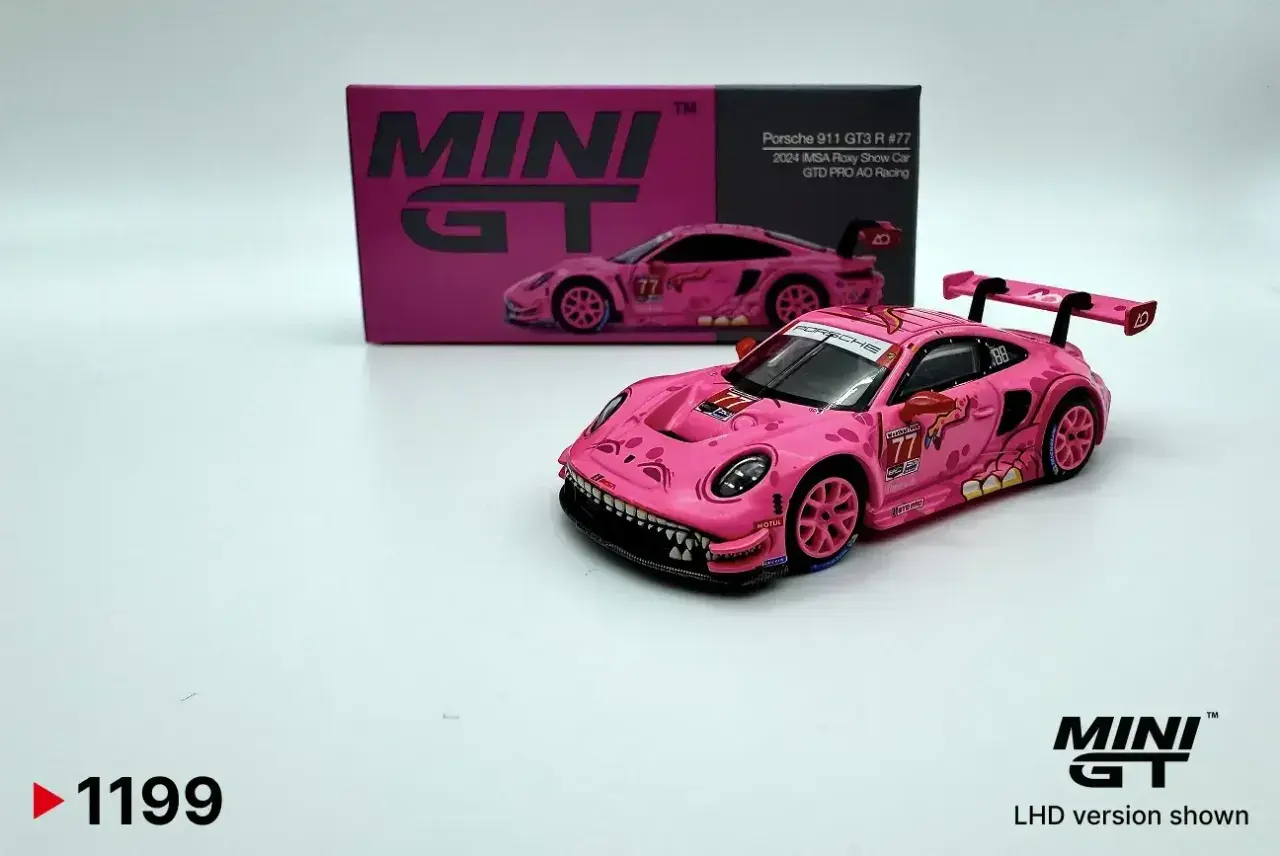
Porsche 911 GT3 R #77 GTD PRO AO Racing 2024 IMSA Roxy Show Car
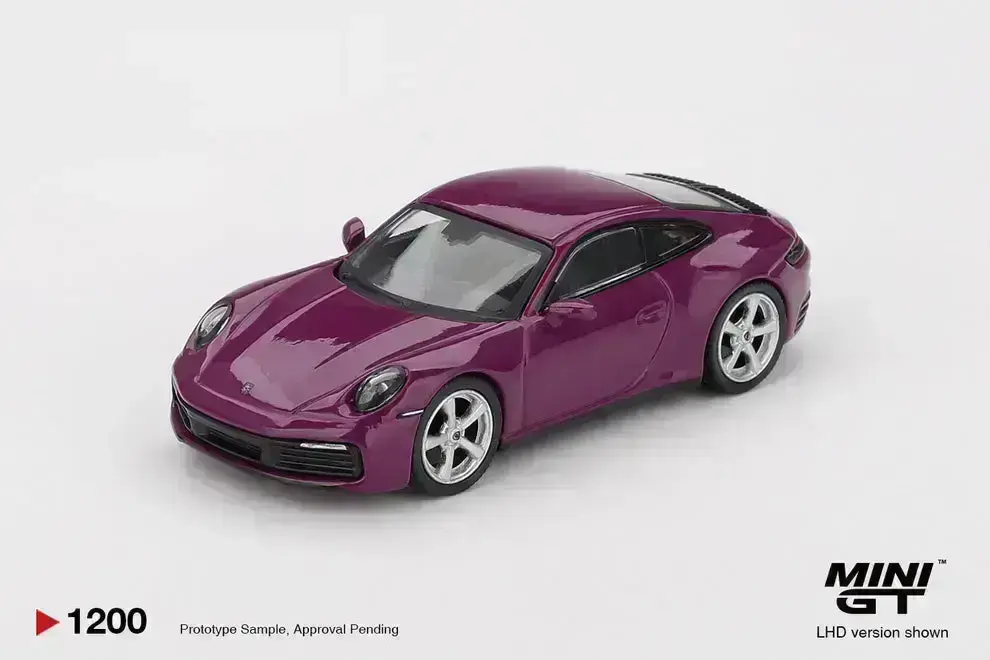
Porsche 911 (992) Carrera S Rubystone Red
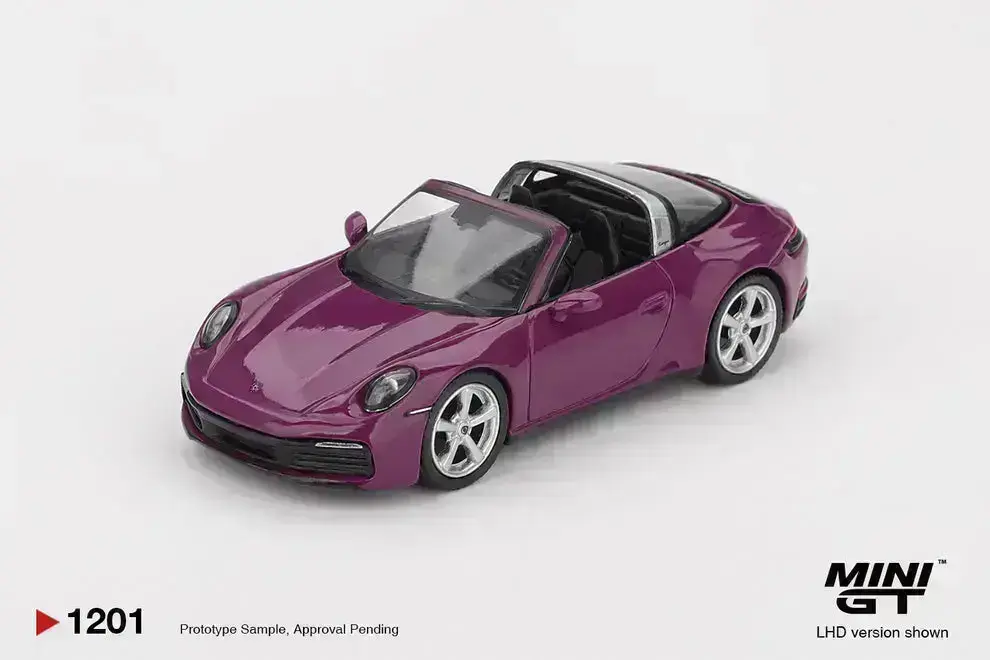
Porsche 911 (992) Targa 4S Rubystone Red
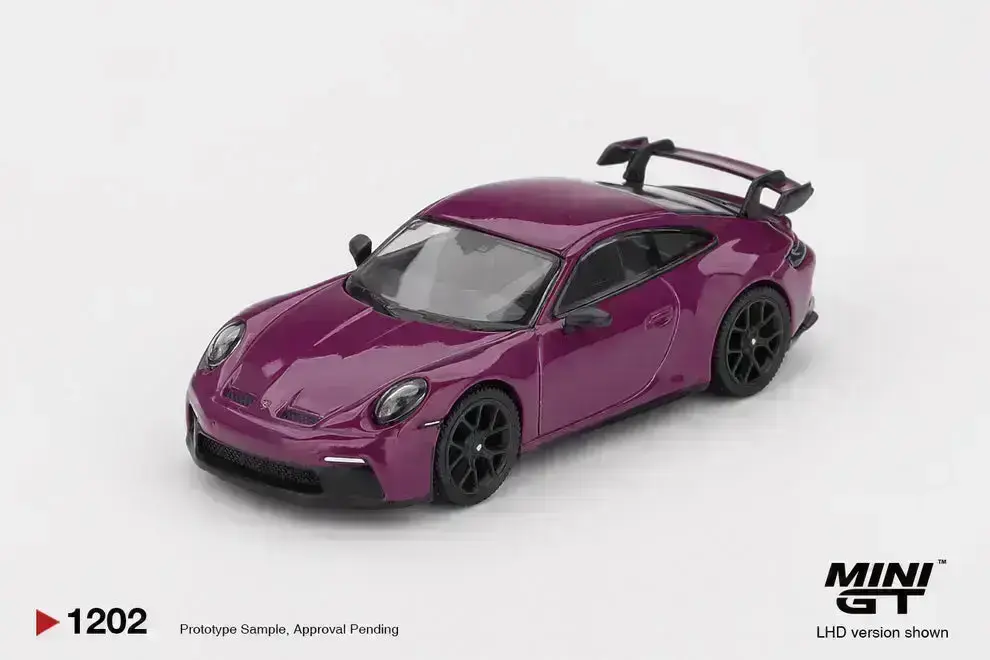
Porsche 911 (992) GT3 Rubystone Red
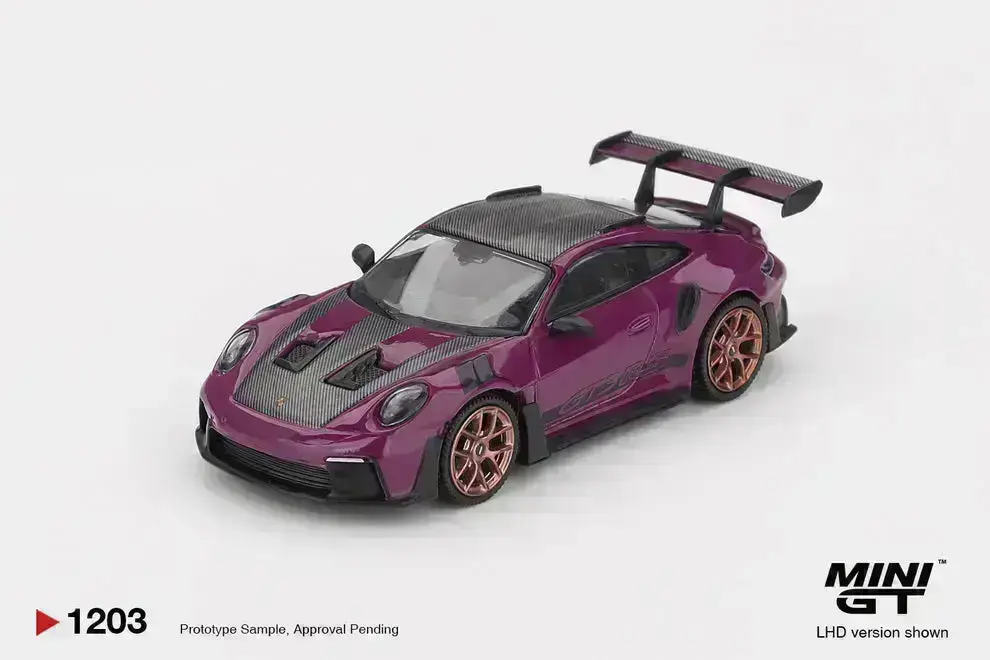
Porsche 911 (992) GT3 RS Weissach Package Rubystone Red
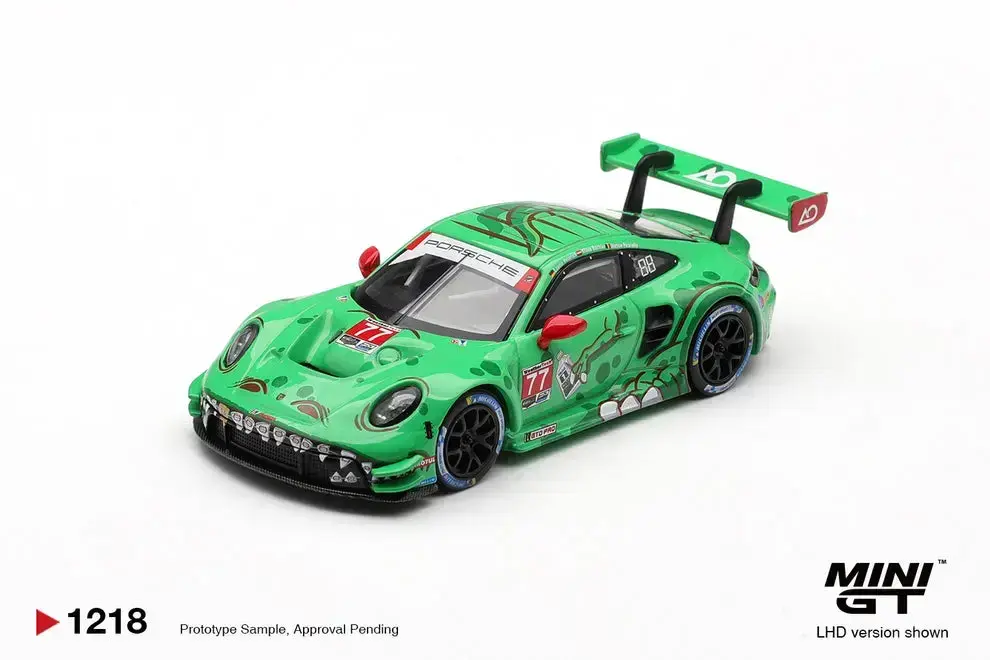
Porsche 911 GT3 R (992) #77 AO Racing 2025 IMSA Sebring 12 Hrs Class Winner
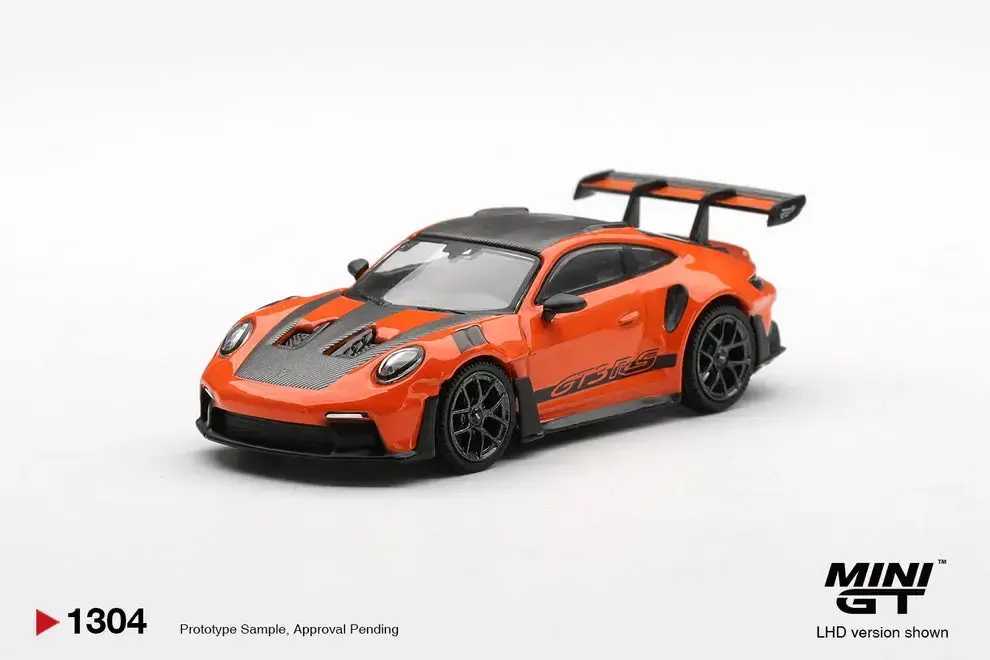
Porsche 911 (992) GT3 RS Weissach Package Gulf Orange
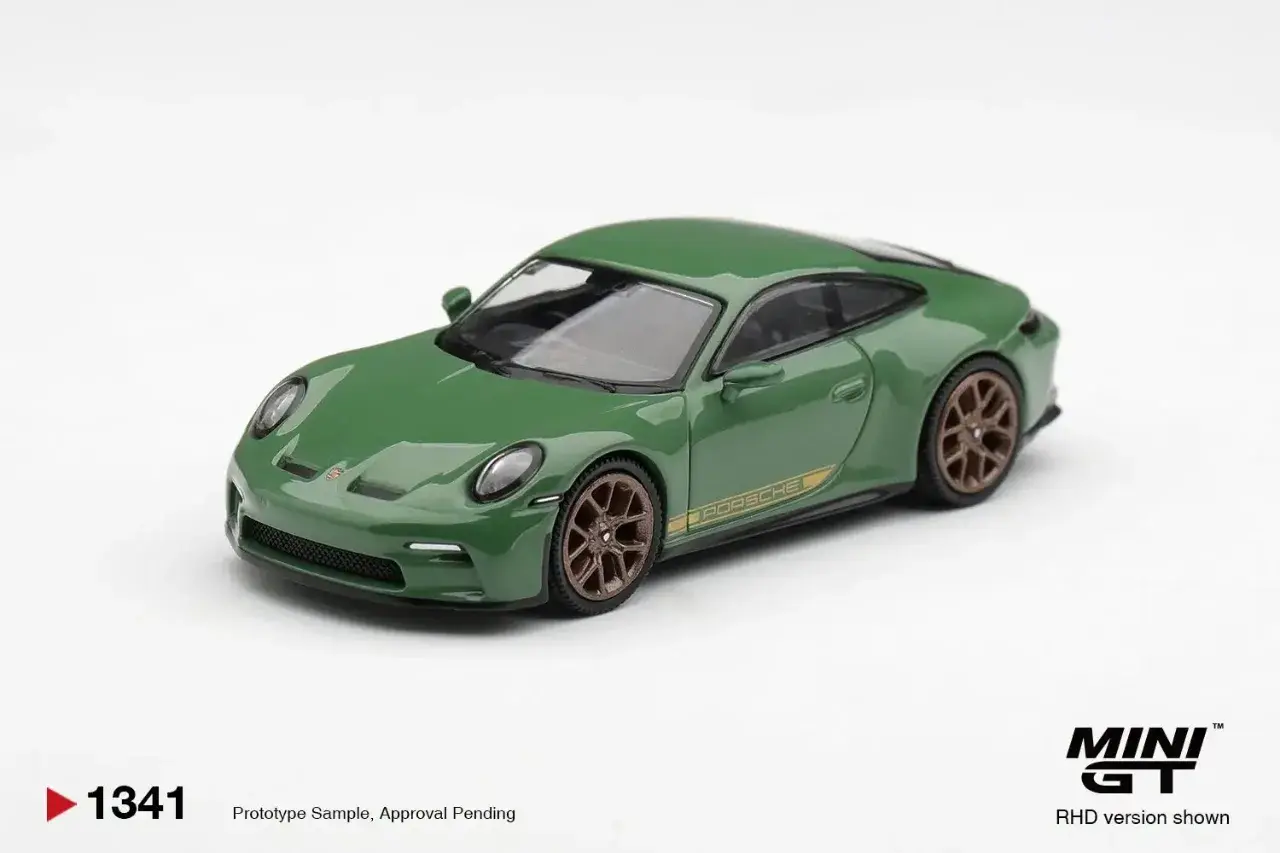
Porsche 911 (992) GT3 Touring Auratium Green
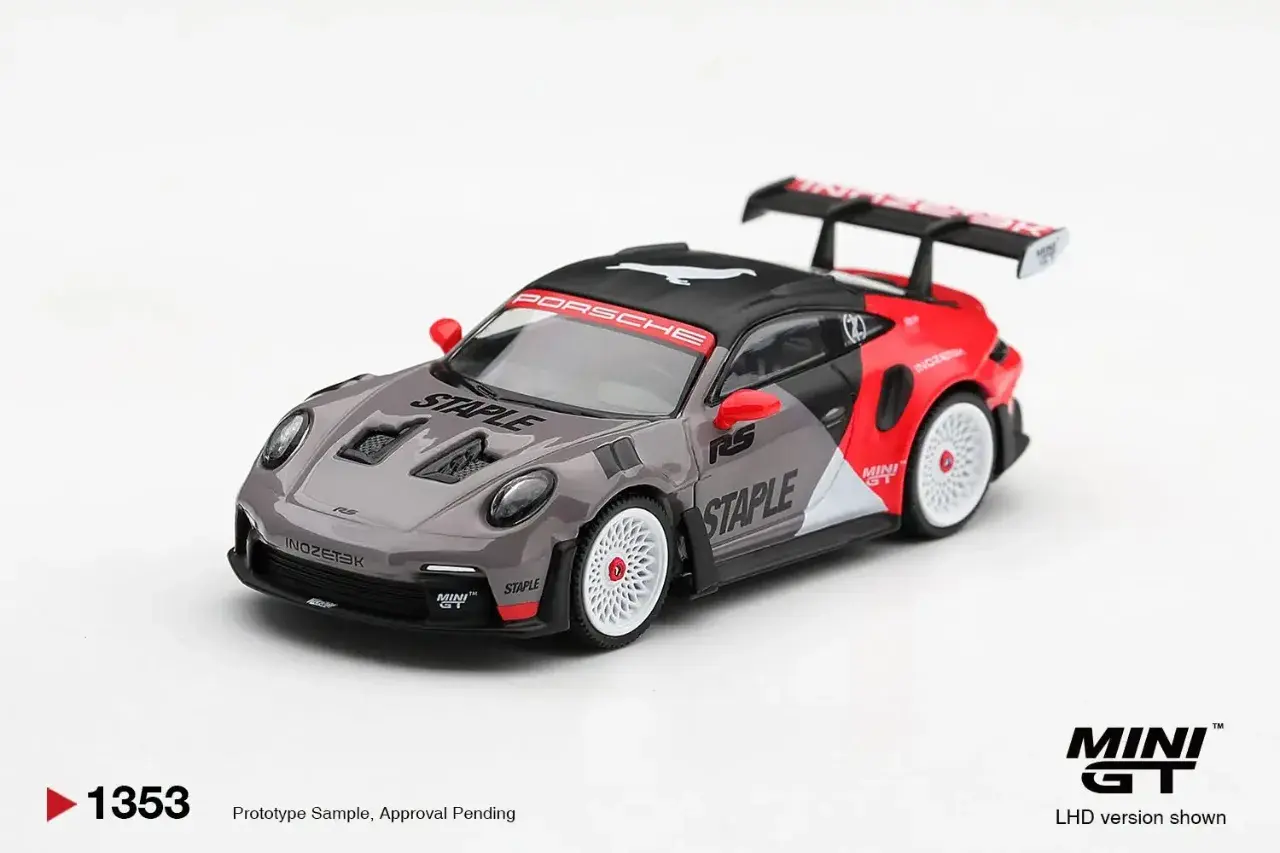
Porsche 911 GT3 RS STAPLE x INOZETEK
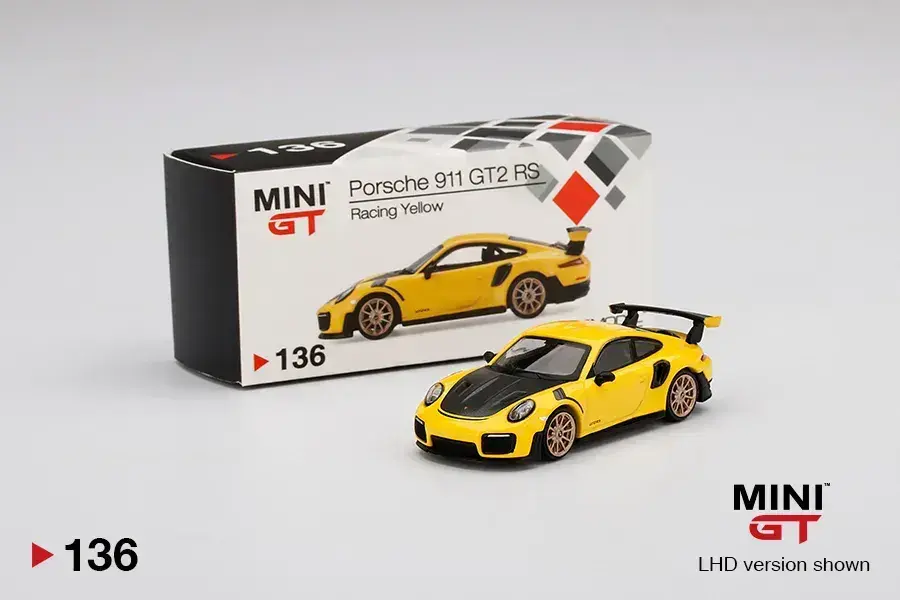
Porsche 911 GT2 RS Racing Yellow
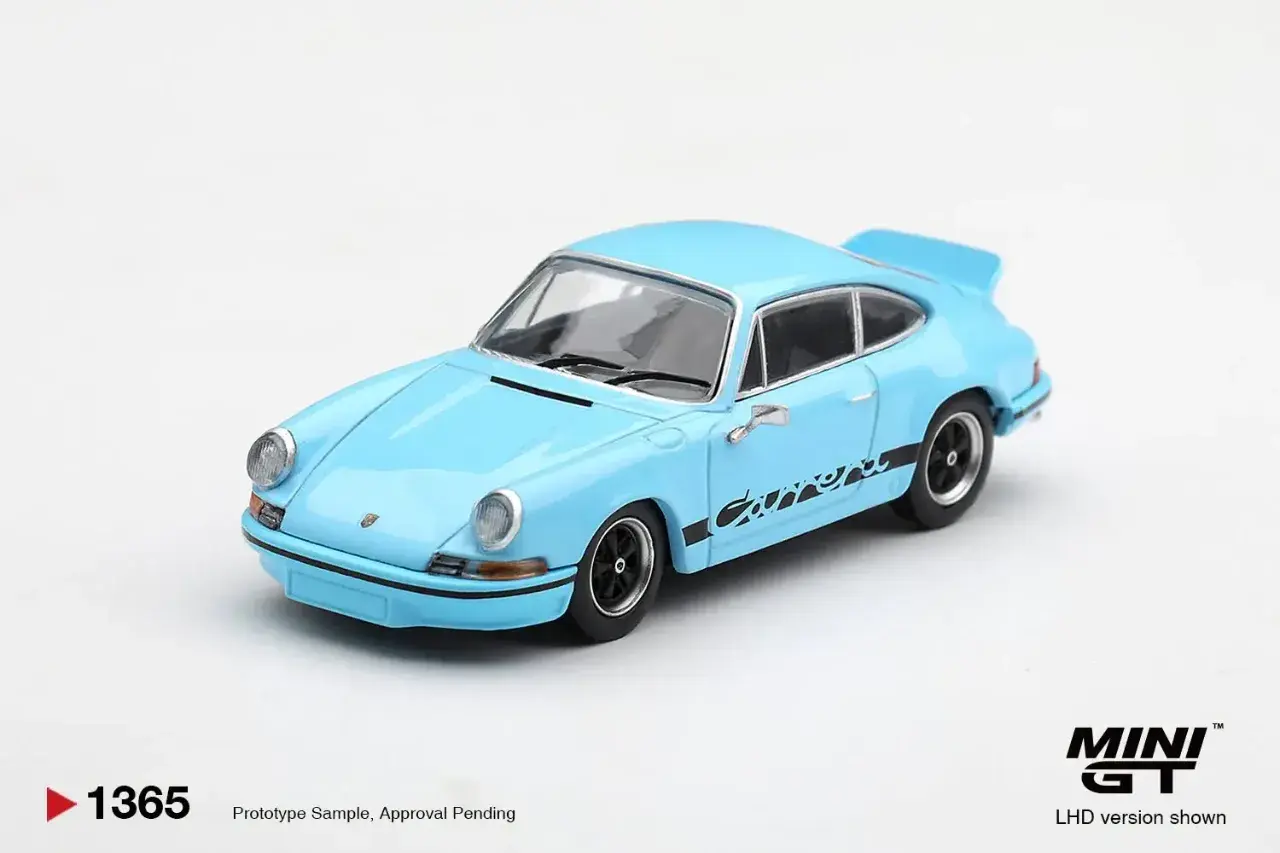
Porsche 911 Carrera RS 2.7 Gulf Blue with Black Livery
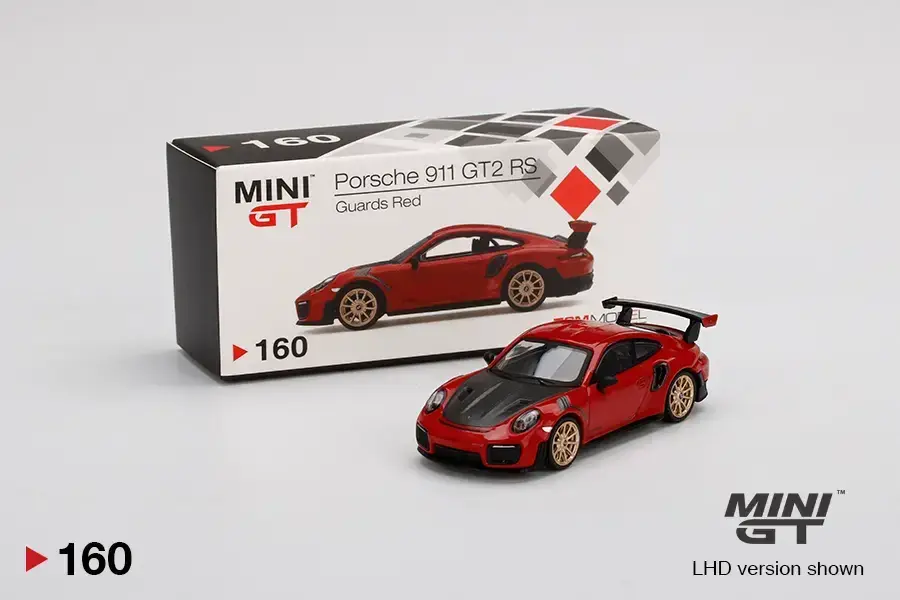
Porsche 911 (991) GT2 RS Guards Red